 by
by If you’re a cat parent, you’ve probably noticed a loose, hanging flap of skin on your cat’s belly—especially when they’re stretching, running, or hopping onto the couch. Many pet owners immediately assume it’s belly fat or a sign their cat is overweight. But this flap is actually a natural and fascinating part of feline anatomy called the primordial pouch.
In this guide, we’ll explore what a Primordial Pouch Cat really looks like, why cats have this feature, how to tell if it’s normal or linked to weight gain, and when to be concerned. We’ll also share a real-life case study to help make things even clearer.

Content
What Is a Primordial Pouch Cat?
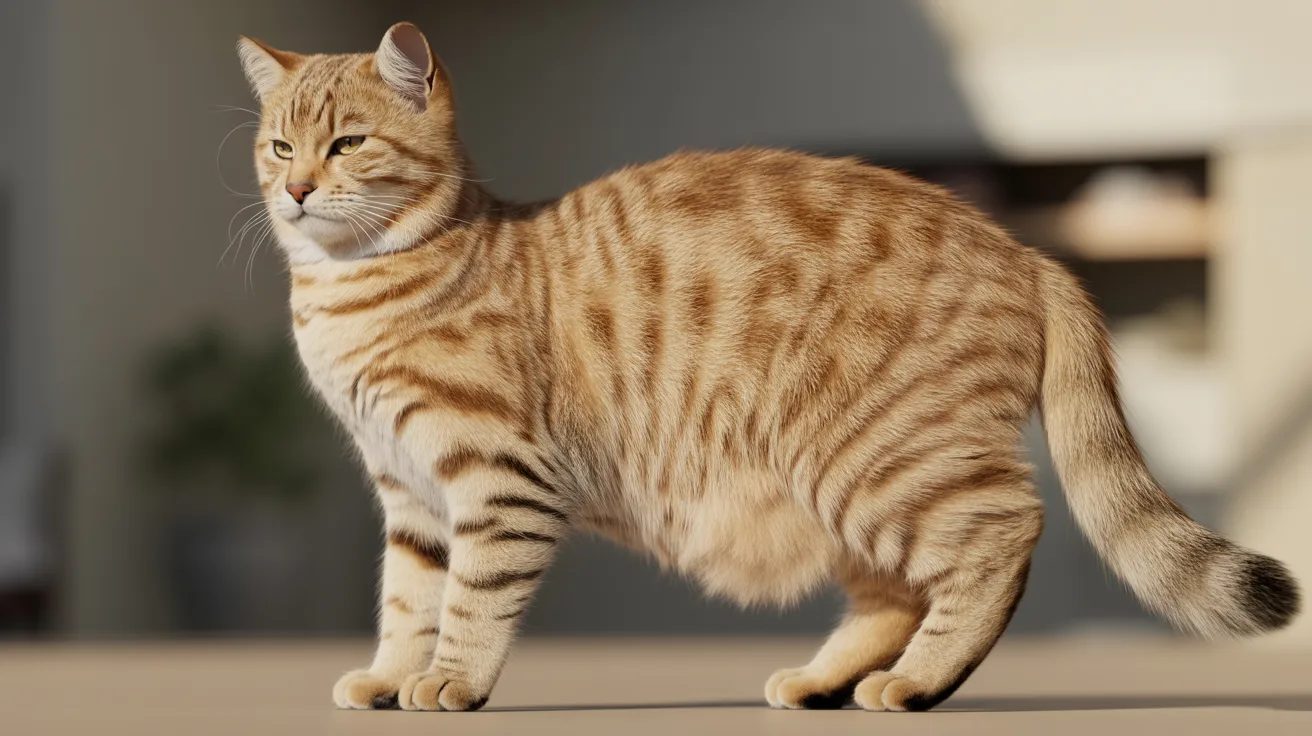
A primordial pouch cat has a soft, loose flap of skin running along the belly, usually more noticeable near the hind legs. This flap isn’t a deformity or a sign of poor health—it’s a normal anatomical feature that exists in almost all cats, both domestic and wild.
While the size can vary from cat to cat, the pouch typically feels like a thin layer of loose skin rather than a thick pad of fat. Some breeds naturally show it more prominently, while others have a subtle version that’s only visible during movement.
Many owners search online for answers like “why does my cat have a primordial pouch?”, “is a primordial pouch normal in cats?”, or “do all cats have a primordial pouch?”—and the short answer is yes, it’s completely normal.
Why Do Cats Have a Primordial Pouch?
Experts believe the primordial pouch serves several practical purposes. While no one knows the exact evolutionary reason, here are the most widely accepted theories:
1. Protection During Fights
Cats protect their vital organs with the help of this belly flap. In the wild, kicks and swipes often land on the abdominal area, so having extra skin helps absorb impact and reduce serious injury.
2. Greater Flexibility and Movement
The cat abdominal pouch gives extra stretching ability while running, jumping, twisting, and climbing. This loose skin acts almost like built-in elastic, allowing cats to extend their bodies further when sprinting.
3. Energy Storage
Some researchers suggest that the pouch allows for extra belly expansion after large meals, especially in outdoor or wild cats. This could explain why it sometimes appears more pronounced in cats that free-roam or stay more active.
4. Temperature and Mobility Balance
The pouch provides both insulation and flexibility—something particularly useful in cold weather or high-activity lifestyles.
So yes, the famous “cat hanging belly” is not just a cute quirk—it’s a highly functional tool.
Primordial Pouch vs Obesity: How to Tell the Difference
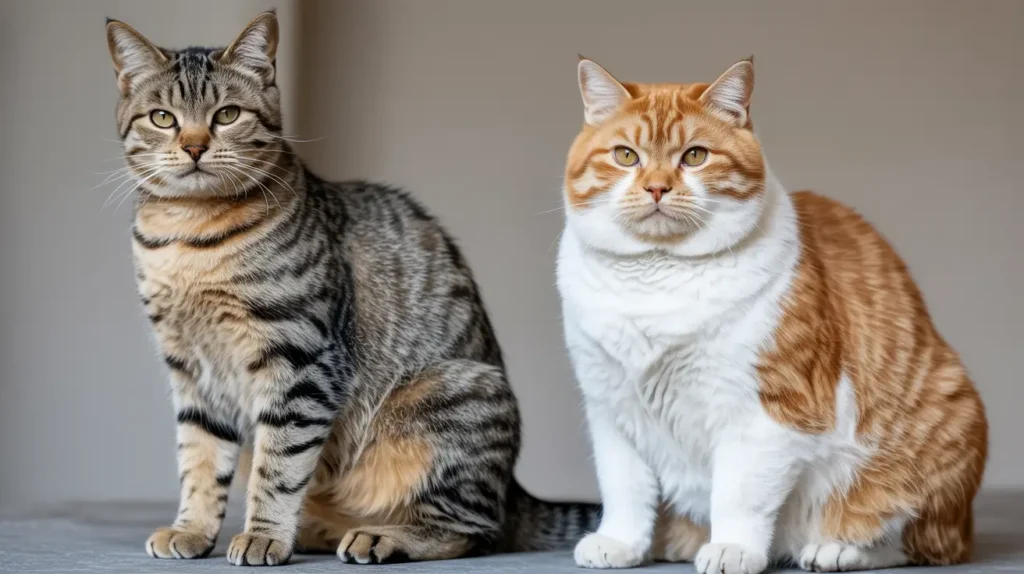
A very common concern is whether the belly flap is just a pouch or a sign of excessive weight. Understanding this difference is essential for proper care.
Here are a few ways to check:
1. Feel the Belly
A primordial pouch feels like loose, swinging skin.
An overweight belly feels firm and thick, with fat that doesn’t move freely.
2. Look from Above
A healthy cat usually has a visible waistline when viewed from the top.
If the body is oval-shaped with no narrowing, weight gain might be involved.
3. Check Ribs and Spine
You should be able to feel ribs with slight pressure.
If the ribs are hard to locate, your cat may be overweight.
4. Monitor Behavior
Excess weight often leads to reduced activity, difficulty jumping, and slower movement.
A primordial pouch cat, on the other hand, moves easily and confidently.
Owners often search “primordial pouch vs cat obesity” or “how to tell if my cat has a primordial pouch”—and these signs help clear up the confusion quickly.
Read More About: Mini Australian Shepherd
Breeds More Likely to Show a Pronounced Primordial Pouch Cat
While all cats have a pouch, some breeds display it more clearly due to genetics or physical structure:
- Bengal
- Egyptian Mau
- Abyssinian
- Pixie-Bob
- Domestic Shorthair
The Domestic Shorthair, for instance, often has a pouch noticeable during walking or running. Similarly, Bengal cats—which are muscular and agile—tend to have a more defined flap that helps them move quickly.
But here’s the important part:
Even if your cat doesn’t belong to these breeds, the pouch is still completely normal.
Case Study: Milo, the “Chubby” Cat Who Wasn’t Actually Chubby
To make this easier to understand, here’s a real-life example from a pet owner I worked with.
Milo, a 3-year-old Domestic Shorthair, was brought in with the owner worried about a “sagging belly.” She had recently adopted Milo and wondered if the previous owners overfed him.
When I examined him, here’s what I noticed:
- His ribs were easily felt under a thin layer of fat.
- His waistline was clearly visible from the top.
- The belly flap was soft, loose, and swung gently as he walked.
- He had high energy levels and no symptoms of obesity.
This was a perfect example of a Primordial Pouch Cat—not an overweight one.
I explained to the owner that Milo’s cat loose skin belly was completely normal and actually helped him stay flexible when jumping and running.
The owner later told me she felt relieved and even started calling it Milo’s “superhero pouch.”
Personal cases like this show why understanding feline anatomy is important. It prevents unnecessary worry and helps owners focus on actual health indicators rather than harmless physical traits.
Common Myths About the Primordial Pouch Cat
There are several misconceptions that confuse cat owners. Here’s the truth:
Myth 1: The pouch means the cat was overweight in the past.
Not true. Even slim, athletic cats have one.
Myth 2: Neutering or spaying causes the pouch.
The pouch develops regardless of spay/neuter status.
Myth 3: Only certain breeds have it.
All cats have it — just at different levels of visibility.
Myth 4: Weight loss will make the pouch disappear.
Even slim cats retain it. Weight loss may reduce fat around the area but not the pouch itself.
Health Concerns: When Should You Worry?
While a primordial pouch is normal, there are times when you should consult a vet:
- The belly becomes suddenly larger or hard
- Your cat shows discomfort when touched
- Appetite or activity levels change
- Movement becomes slow or labored
- The pouch area swells or looks uneven
These may indicate obesity, hernia, or other medical conditions—not the pouch itself.
Caring for a Cat With a Primordial Pouch Cat
You don’t need to treat the pouch, but you can support your cat’s overall health through:
Balanced Diet
Feed high-quality food, control portions, and follow your vet’s feeding guidelines.
Regular Exercise
Interactive toys, climbing posts, treat puzzles, and daily playtime help maintain ideal weight.
Routine Health Checks
Keeping an eye on weight changes ensures early detection of real health issues—not just the natural pouch.
Conclusion: The Primordial Pouch Cat Is a Natural, Functional Feature
A Primordial Pouch Cat is perfectly normal and healthy. This extra flap of belly skin is simply part of feline biology and has practical purposes—from protection to flexibility to natural movement support.
By understanding this feature, cat owners can avoid unnecessary worry, distinguish between normal anatomy and obesity, and focus on keeping their cats fit, happy, and active.
Discover more about the Cutest Dog in the World and why they capture everyone’s heart.
FAQs
Is it okay to touch my cat’s primordial pouch?
Yes, you can gently touch it; the primordial pouch is normal and shouldn’t cause discomfort.
What is the 3-3-3 rule for cats?
The 3-3-3 rule helps manage cat behavior: 3 minutes of play, 3 toys, 3 times a day.
Why do some cats have no primordial pouch?
Some cats show a less visible pouch due to breed, age, or body type
Can the primordial pouch cause health problems in cats?
No, the primordial pouch is natural and usually harmless, but consult a vet if swelling or discomfort occurs.

Ruth is all about pet style. She’ll help you and your furry friend turn heads with the latest trends in pet fashion.