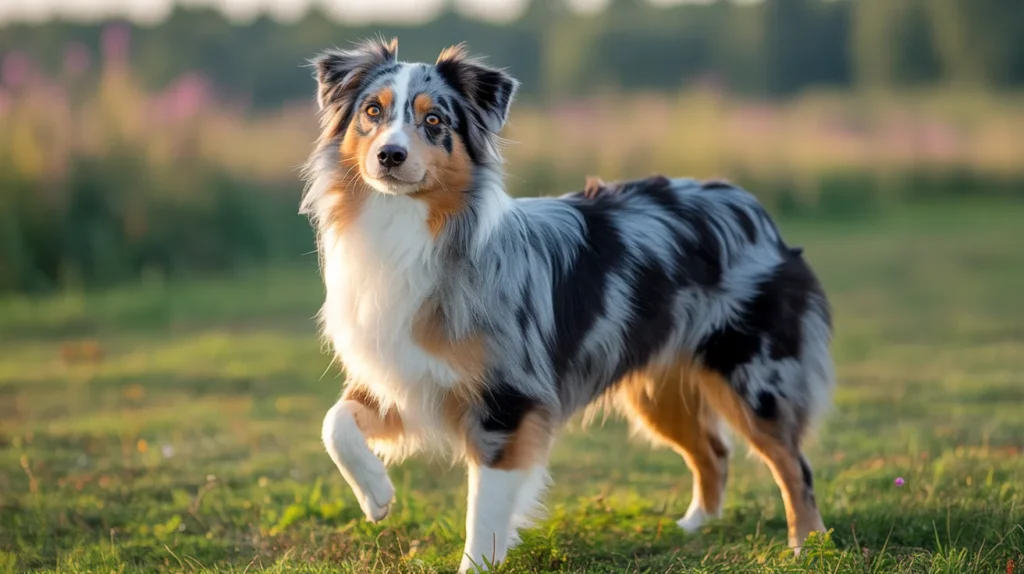
If you’ve ever watched a Mini Australian Shepherd sprint across a yard, herding imaginary sheep, you know that this breed is as energetic as it is adorable. Mini Australian Shepherds, also known as Mini Aussies or Miniature American Shepherds, are compact versions of the standard Australian Shepherd, yet they pack the same intelligence, loyalty, and high-energy drive. But are they the right dog for your home? In this guide, we’ll dive deep into everything you need to know about Mini Australian Shepherds, including size, temperament, exercise needs, grooming, and more.
Content
What Is a Mini Australian Shepherd?
The Mini Australian Shepherd is not just a “smaller Aussie.” While similar in appearance to their standard counterparts, these dogs were selectively bred to create a more compact size while maintaining the intelligence, agility, and herding instincts of the breed. Mini Aussies typically stand 13–18 inches tall and weigh between 20–40 pounds, making them an ideal choice for families who love the Australian Shepherd traits but need a smaller, more manageable companion.
Interestingly, the breed originated in the United States, not Australia. Breeders focused on creating a dog with all the skills of a working herding dog but more suitable for smaller spaces. As a result, Mini Australian Shepherds have quickly become popular pets for families, active singles, and anyone who loves a dog with a playful, intelligent personality.
Appearance & Physical Characteristics
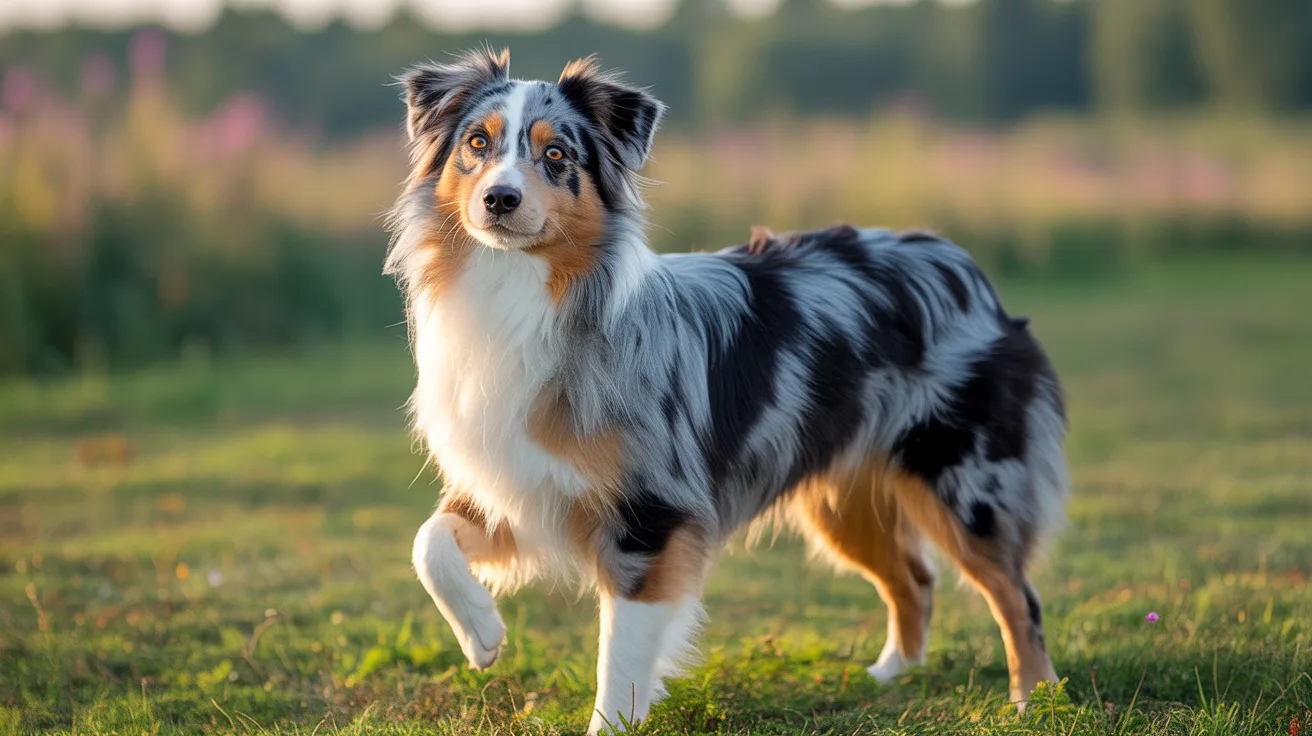
Mini Aussies are sturdy and athletic dogs. They have a double coat, which can be straight or slightly wavy, and they shed moderately throughout the year. Common coat colors include:
Blue merle
Red merle
Black
Red
Tri-color variations
One of the most striking features is their expressive eyes, which can be brown, blue, amber, or even heterochromatic (each eye a different color). Their ears are typically medium-sized and slightly rounded at the tips, giving them a charming alert expression.
How Big Does a Mini Australian Shepherd Get?
Many prospective owners ask this question. Mini Australian Shepherds are smaller than standard Aussies but still athletic and muscular. A typical adult dog will weigh 20–40 pounds and stand 13–18 inches tall. Despite their compact size, they are energetic and require ample exercise and mental stimulation.
Temperament and Personality
One of the most appealing aspects of the Mini Australian Shepherd temperament is their intelligence. These dogs learn quickly, love to play, and thrive on challenges. They are highly trainable and can excel in activities like agility, obedience competitions, and even therapy work.
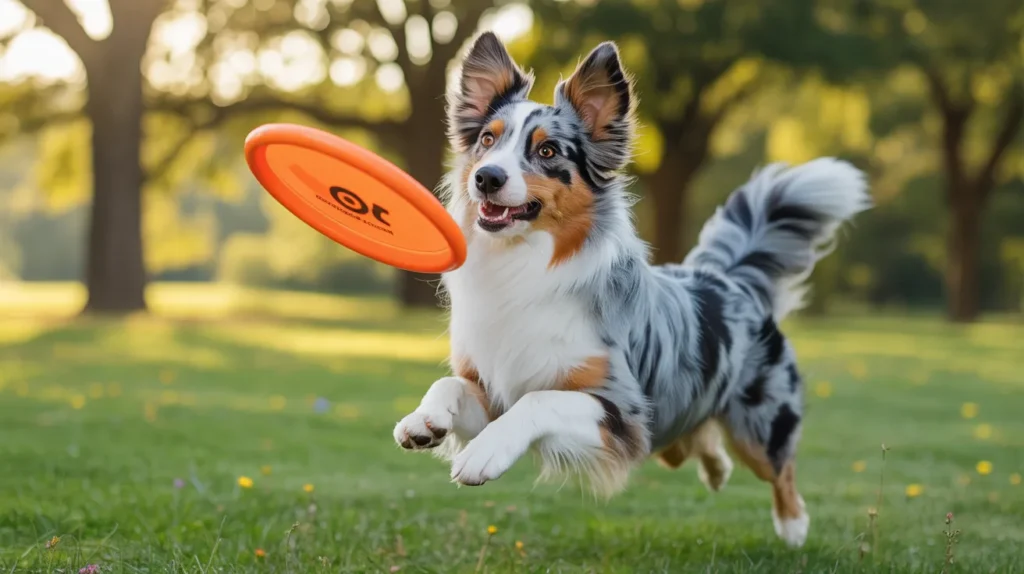
Mini Aussies are naturally social and affectionate, forming strong bonds with their families. They often enjoy interactive games like fetch, frisbee, and puzzle toys. That said, their high intelligence and energy levels can make them mischievous if left alone or unstimulated.
Absolutely. Mini Australian Shepherds are wonderful family companions if their needs are met. They are gentle with children, protective without being overly aggressive, and enjoy participating in family activities. However, families should be aware that Mini Aussies have a high energy level and thrive best in homes where they receive regular exercise and mental engagement.
Exercise and Lifestyle Needs
Mini Australian Shepherds are high-energy dogs. They require at least 60–90 minutes of daily physical activity to stay happy and healthy. Activities can include:
Long walks or jogs
Hiking or running
Interactive games like fetch or frisbee
Herding or agility exercises
Their mental stimulation needs are equally important. Puzzle toys, obedience training, and learning new tricks help prevent boredom, which can otherwise lead to destructive behavior.
Grooming & Shedding
The Mini Australian Shepherd shedding is moderate, and regular grooming is essential to keep their coat healthy. Recommended grooming practices include:
Brushing 2–3 times per week
Bathing as needed
Regular nail trimming and ear cleaning
Checking for tangles or mats in longer coats
Seasonal shedding can increase, especially in spring and fall. Maintaining a consistent grooming routine helps manage loose fur and keeps your home cleaner.
Health, Genetics & Lifespan
Mini Australian Shepherds are generally healthy but, like all breeds, are prone to some genetic health issues:
Hip dysplasia
Luxating patella
Eye conditions like cataracts and Collie Eye Anomaly
A healthy Mini Aussie typically lives 12–15 years, making them a long-term companion for families. Prospective owners should seek reputable breeders who perform health screenings for hip, eye, and heart conditions.
Training & Socialization
Mini Aussies are highly trainable but require consistent guidance. Early socialization is crucial to ensure they develop a well-rounded personality. Some training tips include:
Positive reinforcement with treats or praise
Short, engaging training sessions to maintain focus
Introducing them to various people, pets, and environments early
Enrolling in puppy classes or agility training programs
These dogs thrive in environments where their intelligence is challenged, and they feel like valued family members.
Real-Life Case Study: “Bella the Mini Aussie”
Bella, a 3-year-old Mini Australian Shepherd, lives in a suburban home with her owners, a young family with two kids. From the beginning, Bella was curious, playful, and full of energy. Her family committed to daily morning runs, evening fetch sessions, and weekly puzzle games. Within months, Bella became the most obedient dog in the neighborhood while also forming a tight bond with the children.
However, Bella’s family learned a valuable lesson: without mental and physical exercise, she became bored and started chewing shoes and furniture. Once her routine was adjusted to include more outdoor play and mental challenges, she returned to her happy, well-behaved self. Bella’s story highlights the importance of meeting the exercise and mental needs of Mini Australian Shepherds.
Is a Mini Aussie Right for You?
Mini Australian Shepherds are not for everyone. Consider these questions before bringing one home:
Do you have time for daily exercise and play?
Are you willing to invest in training and socialization?
Can you manage grooming and seasonal shedding?
Do you have a household that matches their energy and intelligence level?
If you can meet these needs, a Mini Aussie can be a loyal, intelligent, and loving companion for years to come.
Conclusion
Mini Australian Shepherds combine the intelligence, loyalty, and agility of their standard counterparts with a more compact size, making them ideal for families, active individuals, and anyone who loves an energetic, affectionate dog. From understanding their size and temperament to meeting their exercise, grooming, and mental stimulation needs, prospective owners have many considerations. But with proper care, training, and attention, Mini Australian Shepherds can become the most rewarding and engaging family companions.
Learn more about safe dog foods and check if your pet can eat certain fruits, like Can Dogs Eat Avocado? for a complete guide.
FAQs
Are Mini Aussies good house dogs?
Yes, Mini Australian Shepherds adapt well to homes if given enough exercise and mental stimulation.
How much does a miniature Aussie cost?
A Mini Australian Shepherd typically costs between $800–$2,500, depending on breeder and lineage.
Do Mini Aussies bark a lot?
Mini Aussies may bark, especially when bored or alert, but proper training keeps barking manageable.
What are the cons of a Mini Australian Shepherd?
High energy, mental stimulation needs, shedding, and possible health issues are common challenges.

 by
by