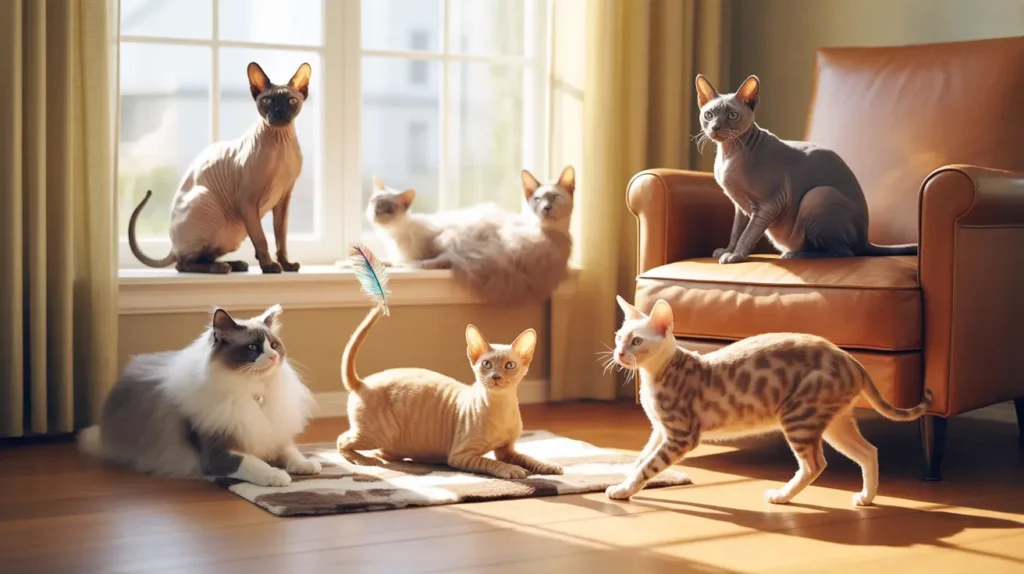
If you love cats but struggle with sneezing, itchy eyes, or a runny nose whenever you’re around them, you’re not alone. As a long-time pet blogger and cat owner, I’ve met countless people who assume their allergies automatically rule out living with a feline companion. The good news? While no cat is completely allergy-free, some breeds are considered the most hypoallergenic cats and are far easier to live with for cats for allergy sufferers.
In this guide, I’ll walk you through what actually causes cat allergies, clear up common myths, and share the best hypoallergenic cats for allergies based on real-world experience, expert insights, and practical use cases. I’ll also include a real-life case study to help you see how this works beyond theory.
Content
What Causes Cat Allergies in the First Place?
Many people think cat hair is the main problem, but that’s only part of the story. The real trigger is a protein called Fel d 1, which is found in a cat’s saliva, skin oils, and dander. When cats groom themselves, this protein spreads onto their fur and into the environment.
Some cats:
Produce less Fel d 1 protein
Shed less fur and dander
Have coat types that trap allergens instead of spreading them
These traits are what make certain breeds stand out as hypoallergenic cats.
Important reality check: There are no 100% hypoallergenic cats. However, there are cats that cause fewer allergic reactions for many people.
Are Most Hypoallergenic Cats Really Better for Allergies?
From personal experience and reader feedback, the answer is: often, yes—but with conditions.
People react differently to different cats, even within the same breed. That’s why spending time with a cat before adoption is crucial. Still, breeds known for low shedding or lower Fel d 1 levels consistently rank higher for allergy-sensitive owners.
Most Hypoallergenic Cats to Consider
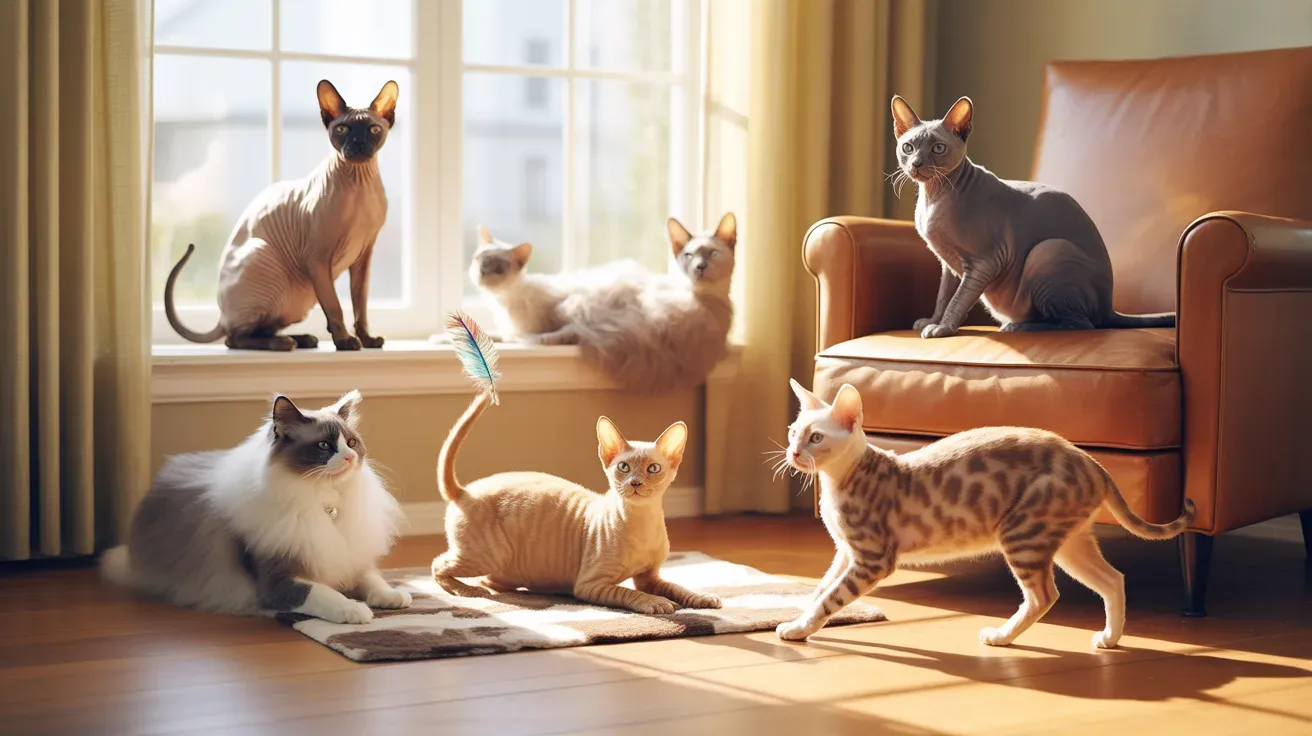
Below are some of the most hypoallergenic cats commonly recommended for people who want to enjoy cat ownership with fewer allergy symptoms.
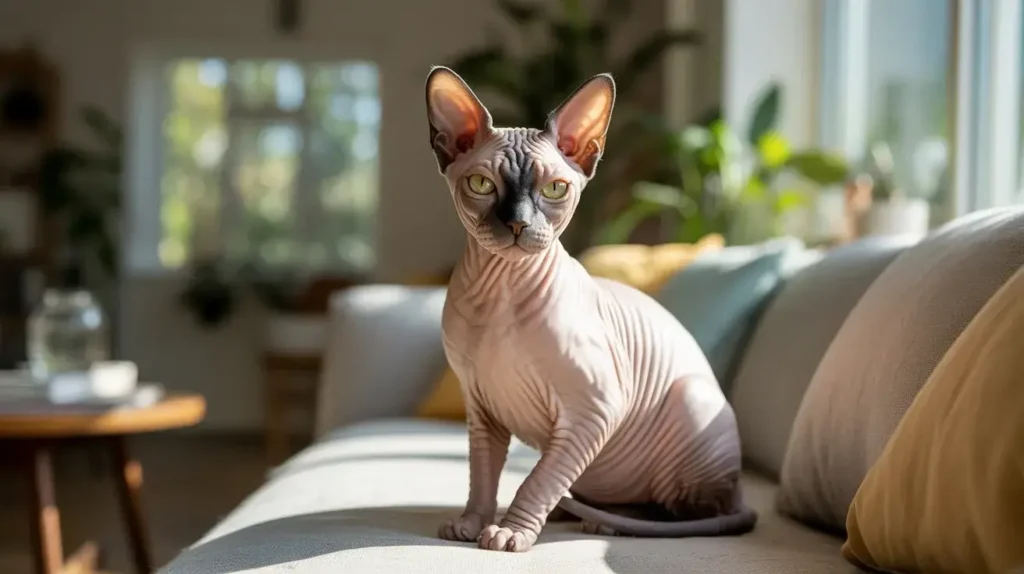
1. Sphynx
The Sphynx is famous for its nearly hairless appearance. While it may seem counterintuitive, less fur means fewer allergens floating around your home.
Why it helps with allergies:
Minimal hair to trap dander
Easier to clean surfaces regularly
Things to know: Sphynx cats need frequent baths to remove oils that can carry allergens. If you’re willing to keep up with grooming, they can be excellent cats for allergy sufferers.
2. Devon Rex
With a short, curly coat, the Devon Rex is often listed among low shedding cat breeds.
Why it works:
Fine hair that sheds less
Less dander compared to many traditional breeds
In my experience, friends with mild allergies often tolerate Devon Rex cats better than long-haired breeds.
3. Cornish Rex
Similar to the Devon Rex but with an even finer coat, the Cornish Rex has only one layer of fur instead of three.
Benefits:
Very little shedding
Lower spread of allergens around the house
If you want an active, playful cat that’s also allergy-friendly, this breed is worth serious consideration.
4. Russian Blue
The Russian Blue is frequently mentioned when people ask which cat breeds are best for allergy sufferers.
Why it stands out:
Dense coat that traps allergens
Known to produce lower levels of Fel d 1
Many allergy-sensitive owners report fewer reactions with this breed, especially when combined with regular cleaning.
5. Balinese
Often called the “long-haired Siamese,” the Balinese is surprising on this list.
Why it helps:
Despite longer hair, it produces less Fel d 1 protein
Sheds less than expected
This breed is a great example of why coat length alone doesn’t determine allergy impact.
This one surprises almost everyone. The Siberian has a thick, fluffy coat—yet many studies and owner reports suggest they produce less Fel d 1.
Why people love them:
Friendly, dog-like personality
Potentially lower allergen levels
They’re not guaranteed allergy-safe, but many people do well with them.
7. Bengal
Bengals have a sleek coat and tend to groom themselves less frequently than other cats.
Allergy advantages:
Less saliva spread on fur
Lower shedding overall
They’re energetic and intelligent, making them great for active households.
Real-Life Case Study: Living With Allergies and a Cat
Let me share a real example from my blog readers.
Case Study: Sarah & Her Russian Blue
Sarah, a long-time cat lover, had moderate allergies—sneezing, watery eyes, and congestion whenever she visited friends with cats. She assumed owning one was impossible.
Before adopting, she spent time with a Russian Blue breeder. Surprisingly, she had almost no reaction during several visits. After adopting her cat, Luna, Sarah followed a few simple steps:
Weekly grooming
HEPA air purifier at home
Washing hands after playtime
Result: Her symptoms dropped by about 70%. While she still has mild reactions occasionally, she says owning Luna is “absolutely worth it.”
This case perfectly shows how choosing one of the best hypoallergenic cats for allergies, combined with good habits, can make a huge difference.
Additional Tips to Reduce Allergies at Home
Even if you choose from the most hypoallergenic cats, these strategies help a lot:
Use HEPA air purifiers
Wash cat bedding weekly
Keep cats out of bedrooms
Vacuum frequently with allergy-grade filters
Groom your cat regularly
These steps often matter just as much as breed choice.
Final Thoughts: Most Hypoallergenic Cats
Choosing among the most hypoallergenic cats isn’t about finding a perfect, allergy-free solution—it’s about reducing triggers and improving quality of life. By understanding how allergens work, selecting the right breed, and maintaining a clean environment, many allergy-sensitive people successfully enjoy life with cats.
If you’re willing to do a bit of research and preparation, the right feline companion might be much closer than you think.
“Learn more about the unique traits and care tips of the Diluted Tortie Cat in our detailed guide.”
FAQs
What cat should I get if I have cat allergies?
Choose hypoallergenic cats like Russian Blue, Devon Rex, or Balinese, as they shed less and may produce lower allergen levels.
Are male or female cats more allergenic?
Male cats usually produce more Fel d 1 protein than females, making them slightly more allergenic, especially if not neutered.
Are Balinese or Siamese more hypoallergenic?
Balinese cats are generally more hypoallergenic than Siamese because they produce less Fel d 1 protein despite longer coats.
Do kittens cause fewer allergies than adult cats?
Kittens may cause fewer reactions at first, but allergen levels increase as they grow and produce more Fel d 1 protein.

 by
by