

 by
by The German Shorthaired Pointer (GSP) is a lively and intelligent sporting breed known for its boundless energy and exceptional versatility. Whether you’re looking for a hunting partner, a jogging buddy, or a loyal family companion, the German Shorthaired Pointer thrives in active environments and offers unwavering affection to its people.

Content
Highlights
- German Shorthaired Pointer Puppies grow into agile, athletic adults who love the outdoors.
- Known for their people-pleasing nature and intelligence.
- German Shorthaired Pointer Temperament includes playfulness, alertness, and affection.
- Requires significant daily exercise—ideal for runners, hikers, and active households.
- Short coat is easy to maintain, though they shed year-round.
- Friendly with kids and other dogs when socialized properly.
- Highly versatile: excels in hunting, agility, obedience, and even swimming.
German Shorthaired Pointer Overview
If you’re looking for a four-legged athlete that doubles as a cuddly companion, the German Shorthaired Pointer might be your perfect match. This breed combines energy, intelligence, and affection, making it a fantastic choice for active homes. Let’s explore the traits that make this dog a favorite among hunters, families, and canine sport enthusiasts.
Versatile Sporting Breed
Bred in 19th-century Germany for versatility in the field, the German Shorthaired Pointer is both a pointer and a retriever. These dogs are equally comfortable flushing birds or retrieving waterfowl. Whether in dense forests or open fields, they work with precision and enthusiasm.
Intelligent and Highly Trainable
The GSP is a smart dog that loves to learn. They pick up commands quickly and respond well to positive reinforcement. With consistency and patience, training your German Shorthaired Pointer Puppy can be a rewarding and enjoyable experience. Their intelligence also makes them well-suited for agility, obedience, and scent work.
Loving and Loyal Family Member
Despite their hunting background, German Shorthaired Pointers are incredibly affectionate with their families. They form strong bonds with their human companions, including children. Early training and socialization ensure they remain gentle, obedient, and sociable.
Good With Kids and Other Pets
When raised with children and other animals, GSPs become friendly and tolerant companions. However, due to their strong prey drive, smaller pets like rabbits or hamsters may not be safe without supervision.
Energetic and Adventurous
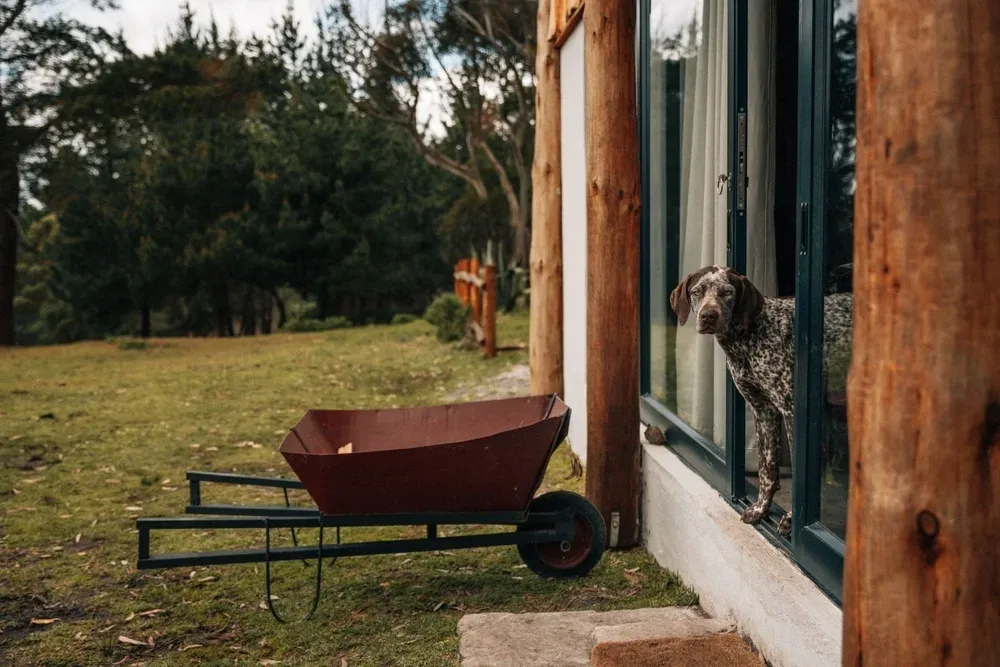
This is not a breed that enjoys sitting idle. The German Shorthaired Pointer Temperament is active and outgoing. They require a minimum of 60 to 90 minutes of vigorous exercise daily. Whether it’s a game of fetch, a long run, or off-leash hiking, this breed is happiest when on the move.
Sleek Yet Strong Appearance
This breed has a lean yet muscular frame, with a streamlined body built for endurance and speed. Their short coat may come in various colors, including solid liver, liver and white, and increasingly common German Shorthaired Pointer Black variations.
Adaptability in the Right Environment
While they can adjust to different home settings, German Shorthaired Pointers do best in houses with large yards or access to open spaces. Apartment living is possible, but only with a serious commitment to daily exercise.
History of the German Shorthaired Pointer
The GSP’s roots trace back to Germany in the 1800s, where breeders aimed to create an all-purpose hunting dog. By crossing breeds such as Spanish Pointers, Bloodhounds, and local tracking dogs, they developed the nimble, sharp-nosed, and affectionate German Shorthaired Pointer. Their popularity spread across Europe and later to North America, where they’ve become favored in both hunting fields and family homes.
Caring for Your German Shorthaired Pointer
Exercise Requirements
This breed requires a great deal of physical activity and mental stimulation. Without it, boredom can lead to destructive behaviors. In addition to walks, include games, puzzle toys, or dog sports to keep them engaged and happy.
Training and Socialization
Early training is essential to shaping a well-mannered adult dog. German Shorthaired Pointer Puppies are eager learners, so use positive reinforcement, praise, and treats. Early socialization with different people, places, and experiences helps prevent behavioral issues.
Grooming and Shedding
GSPs have short, dense coats that are relatively low-maintenance. Weekly brushing is usually sufficient, though they shed moderately year-round. Regular nail trimming and ear cleaning are also important.
Health and Nutrition
German Shorthaired Pointers are generally healthy, but they may be prone to genetic conditions like hip dysplasia or bloat. A balanced diet, regular vet visits, and maintaining a healthy weight help ensure a full German Shorthaired Pointer Lifespan.
Conclusion
The German Shorthaired Pointer is ideal for people who love the outdoors, enjoy training and bonding with their pets, and want an energetic, affectionate companion. If you can meet their physical and mental needs, this breed offers endless love, loyalty, and adventure.
Whether you’re considering adopting a German Shorthaired Pointer Puppy or just want to learn more about this remarkable breed, you’re exploring a relationship with one of the most devoted and dynamic dogs around.
Learn about the unique personality and charm of the Orange Tabby Cat in our detailed breed guide.
FAQs
What are the negatives of German Shorthaired Pointers?
They require high daily exercise and can become destructive if bored or under-stimulated.
Do German Shorthaired Pointers make good house dogs?
Yes, with proper training and exercise, they’re affectionate and well-mannered indoors.
How much does a GSP cost?
A German Shorthaired Pointer typically costs between $800 to $1,500 from reputable breeders.
Can GSP be aggressive?
They’re generally friendly, but poor socialization or frustration can lead to aggressive behavior.

Ruth is all about pet style. She’ll help you and your furry friend turn heads with the latest trends in pet fashion.