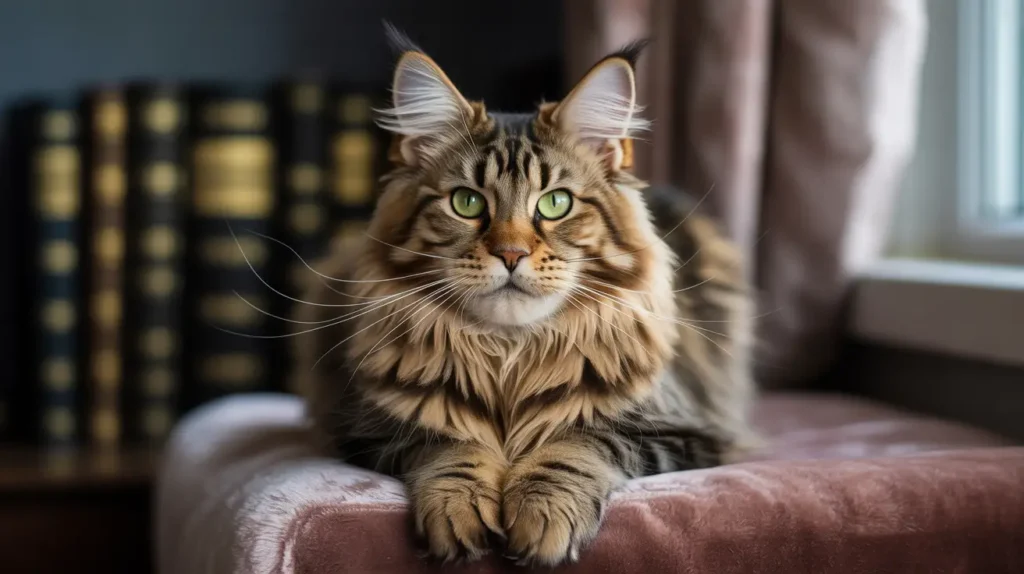
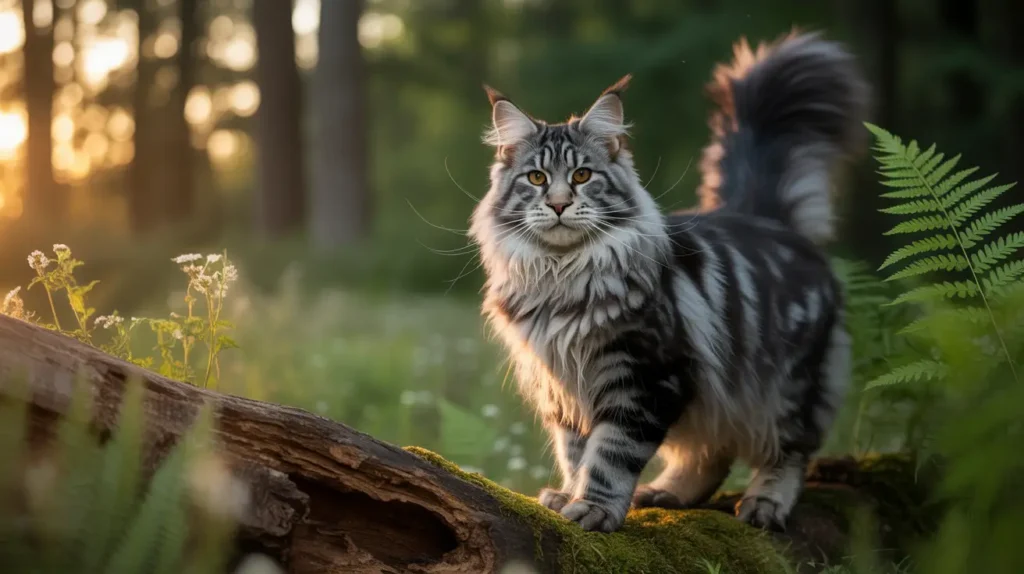
The Maine Coon Cat is a legendary American breed, renowned not just for its impressive stature but for its gentle, friendly demeanor. Often dubbed the “gentle giant” of the feline world, these magnificent cats are instantly recognizable by their tufted ears, luxurious coats, and bushy, expressive tails. But beyond the remarkable Maine Coon Cats Size lies a personality that is dog-like in its loyalty and playful charm. Is this intelligent, affectionate companion the right fit for your household? This comprehensive guide delves into everything you need to know about the majestic Maine Coon Cat.
Content
Characteristics of the Maine Coon Cat
Maine Coons are celebrated for their well-mannered and adaptable nature. They are quintessential family pets, known for their intelligence and playful demeanor that often lasts well into adulthood.
Affectionate: They form deep, loyal bonds with their families.
Gentle: Their large size is contrasted by a famously gentle disposition with children and other pets.
Intelligent: Highly trainable, they can learn tricks, walk on a harness, and even play fetch.
Playful: They retain a kitten-like love for interactive play throughout their lives.
Vocal: They are not overly loud but communicate with a charming repertoire of trills, chirps, and meows.
Living With: Maine Coon Cat Personality
A common question is whether Maine Coons exhibit dog-like traits. The answer is frequently yes. Many will follow their owners from room to room, offer greetings at the door, and show a level of devotion uncommon in many other Cat Breeds. They are typically not “lap cats” due to their substantial size, but they will insist on being close to you, often curling up right beside you rather than on you.
The History of the Maine Coon Cat
The origins of the Maine Coon Cats are shrouded in captivating myth and folklore. One popular tale suggests they descended from long-haired cats belonging to Marie Antoinette, sent to America during the French Revolution. Another whimsical myth, now genetically disproven, claimed they were raccoon-cat hybrids—a tale hinted at by their bushy tails and the “coon” in their name.
The most plausible explanation is that the breed originated from matings between domestic shorthair cats and longhaired breeds brought to New England by seafarers centuries ago. Their robust build, water-resistant coat, and superior hunting skills were naturally selected for the harsh Northeastern winters, cementing their status as prized farm and ship cats.
Maine Coon Care
Their glorious semi-longhair coat is surprisingly low-maintenance thanks to a silky texture that resists matting.
Grooming Guide
While not prone to severe tangling, a thorough weekly grooming session is essential to remove loose hair, prevent mats, and reduce hairballs. Pay special attention to their distinctive ruff, fluffy belly, and “breeches” (the long fur on their back legs). Regular nail trimming, ear cleaning, and dental hygiene are also crucial components of their care routine.
Common Health Problems
Maine Coons are generally a healthy and hardy breed, but like all purebreds, they possess predispositions to certain genetic conditions. Responsible breeders conduct health screenings to minimize these risks.
Hypertrophic Cardiomyopathy (HCM): This form of heart disease, where the heart muscle thickens, is the most significant health concern for the breed.
Hip Dysplasia: Their large frame can make them susceptible to this orthopedic condition affecting the hip joint.
Spinal Muscular Atrophy (SMA): A genetic disorder that impacts the skeletal muscles of the trunk and limbs.
Consistent veterinary check-ups are essential to monitor for these conditions and ensure a long, healthy life, directly influencing the overall Maine Coon Cat Lifespan.
Maine Coon Cat Appearance
The Maine Coon is a solid, muscular cat with a broad chest and a rectangular body shape. They are a slow-maturing breed, often taking three to five years to reach their full size and maturity.
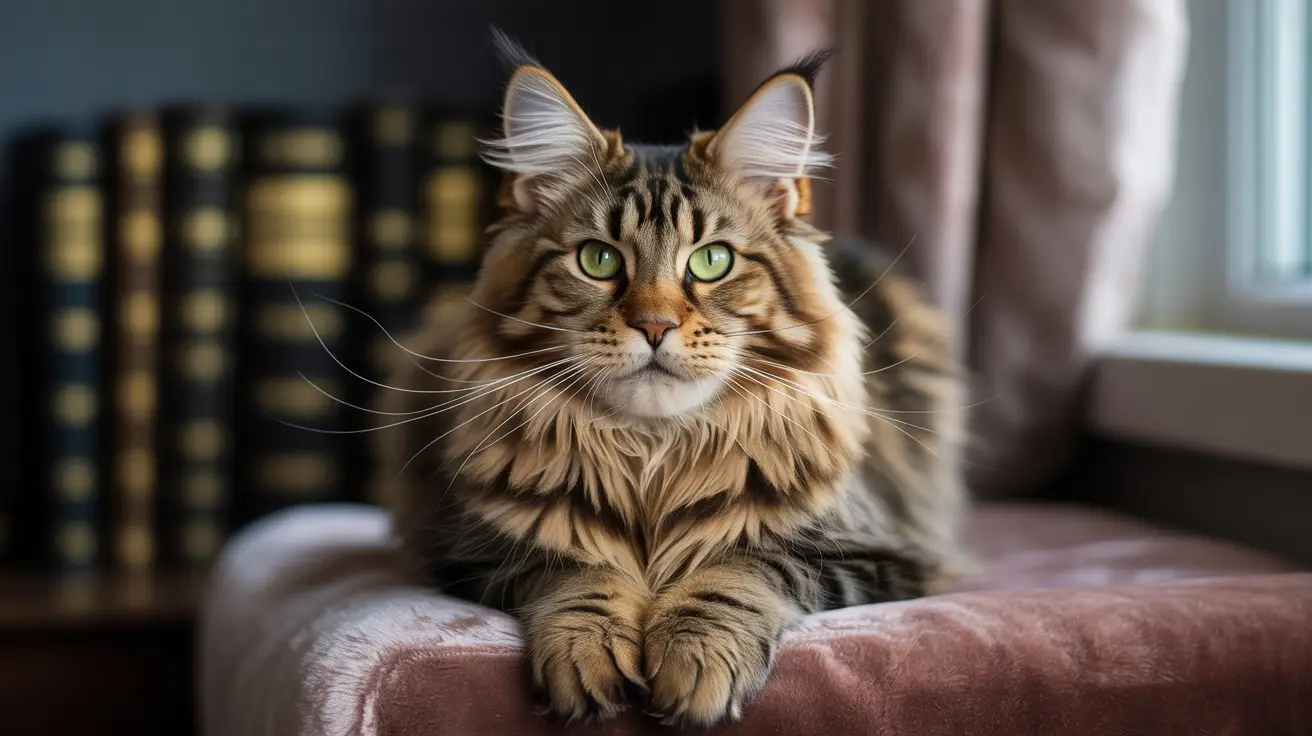
One of their most stunning features is their coat. It is heavy and shaggy, shorter on the shoulders and longer on the stomach and ruff. It comes in a vast array of colors and patterns, including classic tabby, solid, tortoiseshell, and smoke. A particularly striking variant is the Maine Coon Cat Black, which showcases a lustrous, jet-black coat that highlights their impressive stature.
Diet and Nutrition
Feeding a cat of this size requires high-quality nutrition. A diet rich in protein is essential to support their muscle mass and energy levels. Managing the ideal Maine Coon Cat Weight depends on age, activity level, and metabolism.
How Much Should a Maine Coon Cat Eat?
A common misconception is that they require enormous food portions. In reality, portion control is critical to prevent obesity, which can exacerbate potential joint problems. The considerable Maine Coon Cats Size necessitates careful calorie management. Always follow your veterinarian’s specific advice, which typically involves measured meals of high-quality food rather than free-feeding.
Where to Adopt or Buy a Maine Coon Cat
Prospective owners should always seek out reputable breeders who prioritize health testing and ethical practices. Be prepared for a waiting list and a significant investment. Alternatively, consider adoption. Breed-specific rescues often have Maine Coons and Maine Coon mixes in need of loving homes. The adoption process can be more affordable and is an incredibly rewarding experience.
Maine Coon Cat Overview
Pros:
Gentle, friendly, and dog-like personality
Highly intelligent and trainable
Generally excellent with children and other pets
Strikingly beautiful and impressive appearance
Cons:
Requires committed weekly grooming
Prone to specific genetic health issues (e.g., HCM, hip dysplasia)
Takes up more space than a typical domestic cat
Can be expensive to purchase from a responsible breeder
Final Thoughts
The Maine Coon Cat is far more than just a pretty face and a record-breaking size. They are a testament to the perfect blend of imposing presence and a heart of gold. Choosing to welcome a Maine Coon into your home means committing to a loyal, playful, and gentle companion whose intelligence and affection will leave a lasting impression. While their grooming needs and potential health considerations require dedication, the reward is a unique and profound bond with one of the most magnificent and beloved Cat Breeds in the world. For the right owner, a Maine Coon isn’t just a pet; it’s a cherished member of the family.
For those who admire unique crossbreeds, explore our guide to the energetic and loyal German Shepherd Husky Mix.
FAQs
Why are Maine Coons so expensive?
Due to high demand and responsible breeding costs, including extensive health testing for genetic conditions to ensure healthy kittens.
Are Maine Coons good house cats?
Yes, they are famously gentle giants with a dog-like, friendly personality, making them excellent and adaptable family companions.
How big does a Maine Coon cat get?
They are one of the largest domesticated cat breeds, with males typically weighing 13-18 pounds but often reaching 20+ pounds.
Do Maine Coon cats talk a lot?
They are not overly loud but are very communicative, using a charming repertoire of soft trills, chirps, and meows to converse with their owners.

 by
by