 by
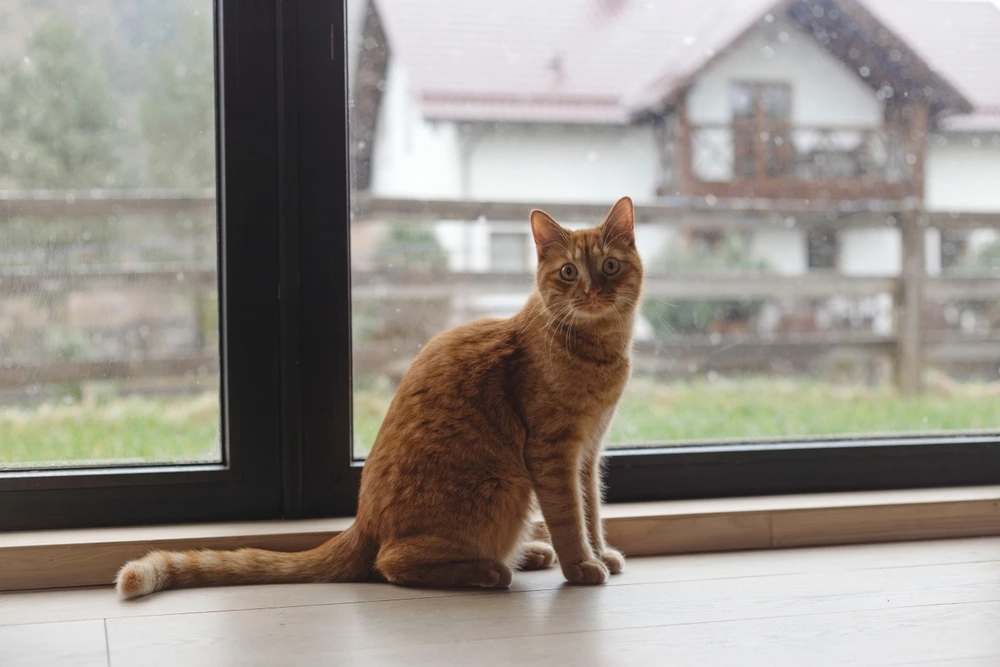
by If you’ve ever been charmed by a bright, golden feline with a bold striped coat and a playful personality, chances are you’ve encountered an Orange Tabby Cat. Known for their warmth, social nature, and striking appearance, these cats are more than just adorable—they’re fascinating companions.
In this guide, we’ll explore the genetics, appearance, and unique traits of the OTC, while answering common questions about their personality, lifespan, and their connection to various Orange Cat Breeds. Whether you’re considering adopting an Orange Tabby Kitten or simply want to learn more, you’re in the right place.
Content
What Makes the Orange Tabby Cat Unique?
Contrary to popular belief, the term “Orange Tabby Cat” doesn’t refer to a specific breed. It describes the coat pattern and color. The word tabby refers to the characteristic stripes, swirls, or spots seen in many domestic cats, while the orange color comes from a pigment called pheomelanin—the same pigment that gives red hair to humans.
Tabby Cats with orange coloring can be found across various Orange Cat Breeds, including the American Shorthair, British Shorthair, and Somali.
5 Types of Orange Tabby Cat Patterns
All Orange Cats that display tabby markings fall under one of five recognized tabby patterns. These patterns affect their appearance and contribute to their individuality.
1. Mackerel Orange Tabby Cat
This is the most common pattern, featuring thin, vertical stripes running down the sides, resembling fish bones. Mackerel Orange Tabby often have a sleek, athletic build.
2. Classic Orange Tabby Cat
Sometimes called “blotched tabbies,” these cats have bold, swirling patterns on their sides that resemble marble. They often have a well-defined “M” on their forehead and a dramatic look.
3. Spotted Orange Tabby Cat
Instead of stripes, these Tabbby Cats have spots or broken lines. Their appearance can be reminiscent of wildcats and is considered less common.
4. Ticked Orange Tabby Cat
This subtle pattern features individual hairs banded in alternating colors, rather than visible stripes or spots. It’s common in breeds like the Abyssinian.
5. Bicolor Orange Tabby Cat
These cats have tabby markings combined with white patches on their face, chest, legs, or belly. Bicolor Tabby Cats often look especially charming and unique.
The Genetics Behind Orange Tabbies
The bold coloring of an Orange Tabby Kitten is the result of specific genetics. The orange color gene is located on the X chromosome. This means male cats, having only one X chromosome, need just one copy of the gene to appear orange. As a result, approximately 80% of Orange Tabby Cats are male.
Female cats, with two X chromosomes, need two copies of the orange gene to exhibit the orange color, making them less common.
This genetic factor also explains why Orange Tabby appear in a variety of Orange Cat Breeds and display a wide range of coat patterns.
Orange Tabby Cat Personality: Friendly and Fun

While each cat has a unique character, many owners report that Orange Tabby Personality traits are especially lovable. These cats are often:
- Affectionate and sociable
- Energetic and playful
- Curious and vocal
- Loyal and people-oriented
There’s a common belief that Orange Tabby Personality Male cats are particularly friendly and outgoing. Though this hasn’t been scientifically proven, countless anecdotes support the idea.
Orange Tabby Cat Lifespan and Health Tips
The typical Orange Tabby Cat Lifespan is between 12 and 15 years, although many live longer with proper care. Indoor cats, in particular, tend to live well into their late teens.
Like other domestic cats, orange tabbies can be prone to weight gain, especially due to their often food-driven nature. To support a long, healthy life:
- Provide a balanced, portion-controlled diet
- Encourage regular play and activity
- Schedule annual veterinary checkups
- Keep them indoors for safety
Popular Orange Cat Breeds That Feature Tabby Patterns
Since the orange tabby pattern is genetic and not breed-specific, many well-known Orange Cat Breeds can showcase this coloring. Common breeds include:
- American Shorthair: Versatile, friendly, and adaptable
- British Shorthair: Quiet, gentle, and affectionate
- Persian: Calm and luxurious with a long coat
- Maine Coon: Large, gentle giants with social personalities
- Scottish Fold: Famous for folded ears and a relaxed nature
- Abyssinian: Agile and intelligent, often with ticked coats
Whether a purebred or mixed breed, the Orange Tabby Cat stands out for its vibrant appearance and loving disposition.
Why Orange Tabbies Win Our Hearts
There’s something inherently charming about Orange Tabby Cats. Their vivid coloring, expressive faces, and people-friendly behavior make them favorites among cat lovers.
These cats are also cultural icons. From Garfield to Puss in Boots, orange tabbies have made their mark in media, further cementing their popularity.
Their friendly demeanor and unique look often result in strong bonds with their owners—making them ideal companions for any household.
Final Thoughts
The Orange Tabby is more than just a beautiful feline. With a playful spirit, affectionate nature, and captivating patterns, they’re one of the most beloved types of Tabby Cat worldwide.
Whether you’re considering adopting an Orange Tabby Kitten or simply fascinated by their unique traits, these cats never fail to leave a lasting impression.
If you’re interested in unique ear shapes and gentle personalities, learn more about the Scottish Fold Cat in our detailed guide.
FAQs
What is so special about orange tabby cats?
Orange Tabby Cats are known for their bold coat patterns, friendly personalities, and charming, affectionate nature.
Is it rare to have an orange tabby cat?
No, Orange Tabby Cats are quite common—especially males, who make up around 80% of the population.
What breed of cat is Orange tabby?
“Orange Tabby” refers to the color and pattern, not a breed—it appears in many Orange Cat Breeds like American Shorthair or Maine Coon.
Do orange tabby cats live long?
Yes, with proper care, Orange Tabby Cats can live 12–15 years or even longer, especially as indoor pets.

Ruth is all about pet style. She’ll help you and your furry friend turn heads with the latest trends in pet fashion.