 by
by Klinefelter syndrome in cats is a rare but important genetic condition that often raises questions among cat owners, particularly when a male cat displays unusual traits such as infertility or a calico coat. If you are wondering what Klinefelter syndrome in cats is or why some male cats develop differently, this guide provides a clear and practical explanation.
From a pet care perspective, understanding feline genetic disorders can help owners make informed decisions and provide better long-term care.
Content
What Is Klinefelter Syndrome in Cats?
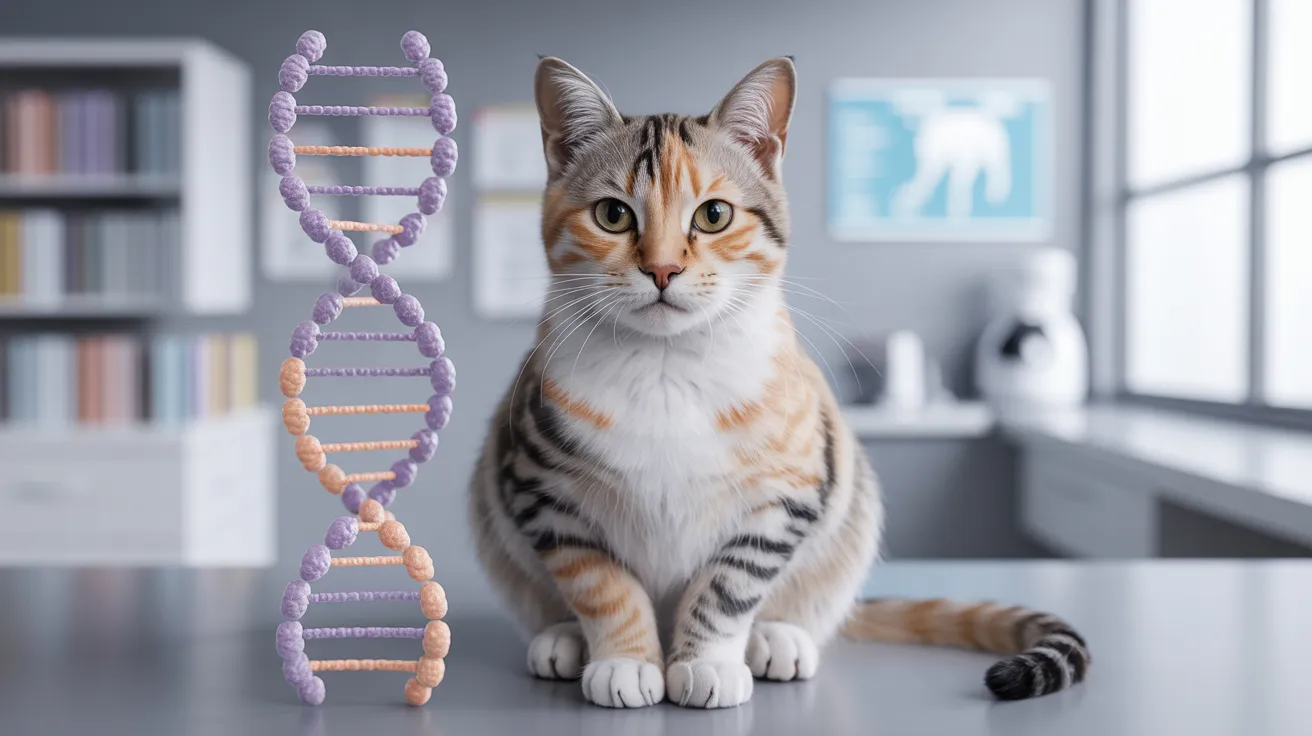
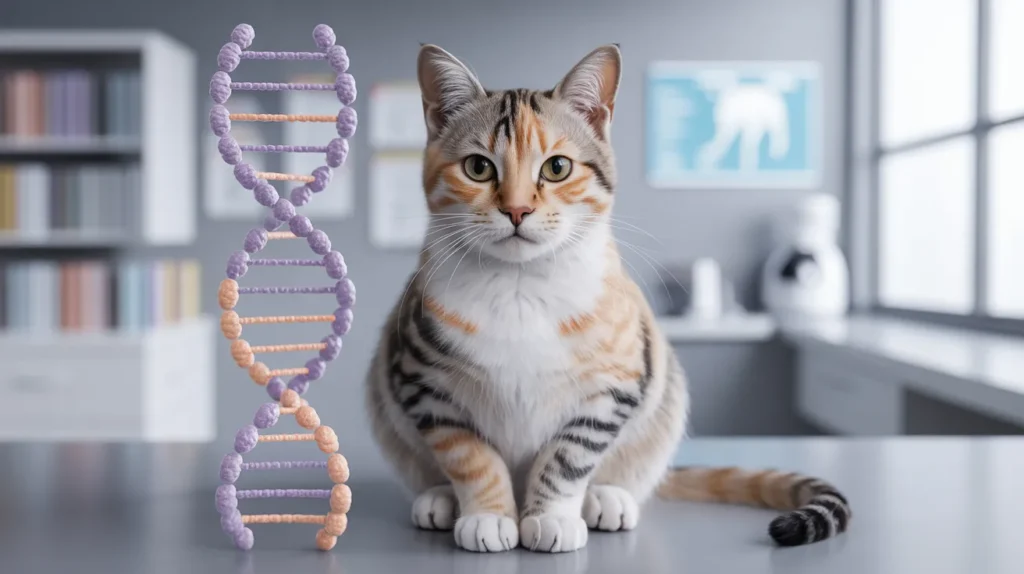
Klinefelter syndrome in cats, also referred to as XXY syndrome in cats, is a chromosomal abnormality in which a male cat has an extra X chromosome.
Under normal circumstances, male cats have XY chromosomes, while female cats have XX chromosomes. In this condition, however, a male cat carries XXY chromosomes. This additional chromosome affects physical development, hormone levels, and reproductive function.
In simple terms, it is a genetic condition that alters typical male development.
Causes of Klinefelter Syndrome in Cats
The condition is caused by a genetic error during cell division. When reproductive cells form, chromosomes are expected to divide evenly. Occasionally, an extra X chromosome is included, leading to chromosomal abnormalities in cats.
This results in hormonal imbalances and reproductive challenges. It is important to understand that this condition is not influenced by diet, environment, or care. It occurs randomly and is considered rare.
Why Are Many Affected Cats Calico?
One of the most recognizable traits associated with this condition is coat color. Calico and tortoiseshell patterns are typically found in female cats because they require two X chromosomes.
However, in XXY syndrome in cats, the extra X chromosome allows male cats to display these patterns. This is why a male calico cat is often an indicator of this genetic condition.
Symptoms of Klinefelter Syndrome in Cats
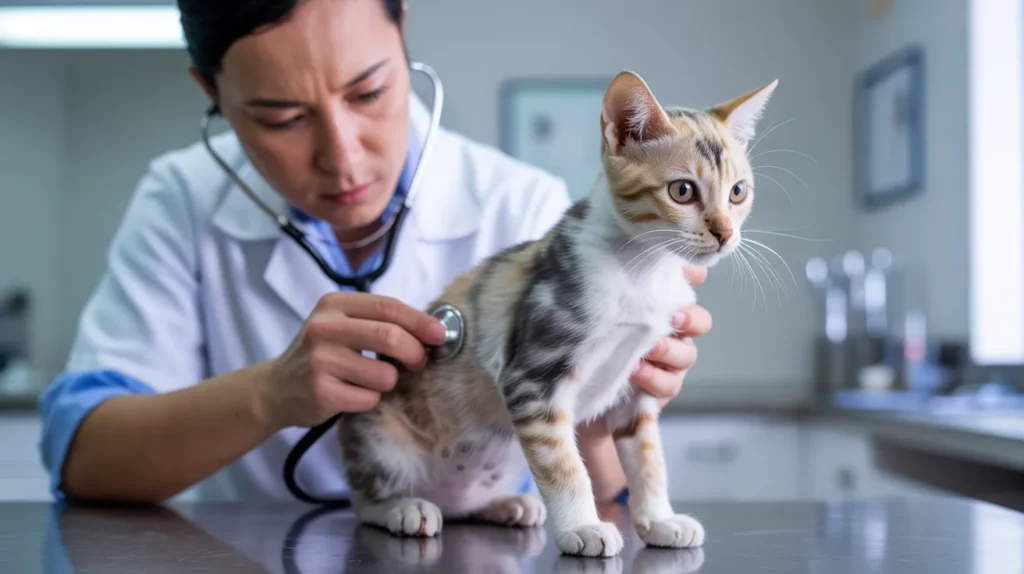
The symptoms of Klinefelter syndrome in cats can vary, but several common signs may be observed. These include infertility, smaller testicles, reduced testosterone levels, and slightly altered body proportions.
Some cats may also show calico or tortoiseshell coats, while others may exhibit subtle behavioral differences. In many cases, the condition is not immediately noticeable, and infertility remains the primary indicator.
How to Diagnose Klinefelter Syndrome in Cats
For those asking how to diagnose Klinefelter syndrome in cats, veterinary evaluation is essential. Diagnosis typically involves a physical examination and hormone level testing.
The most definitive method is karyotyping, a genetic test that confirms the presence of an extra X chromosome. In most cases, the condition is identified when a male cat is found to be infertile or shows unusual physical characteristics.
Read Also About: Trazodone For Dogs
Treatment for Klinefelter Syndrome in Cats
There is no cure for this condition, as it is genetic. However, treatment for Klinefelter syndrome in cats focuses on management rather than correction.
Veterinarians may recommend regular health monitoring and routine checkups. Neutering is often advised to prevent complications related to hormonal imbalance. Overall, the approach is supportive and aimed at maintaining the cat’s well-being.
Can Cats Live Normal Lives With This Condition?
Cats with this condition can live normal, healthy lives. Most affected cats do not experience significant discomfort or reduced quality of life.
The primary long-term effect is infertility, which falls under common male cat infertility causes in genetic conditions. Aside from this, many cats remain active, social, and physically healthy.
Real-Life Case Study: A Male Calico Cat
A practical example helps illustrate how this condition presents in real life. A male calico cat was initially assumed to be female due to its coat pattern. During a routine veterinary visit, further examination revealed that the cat was male and likely affected by XXY syndrome in cats.
Genetic testing confirmed the diagnosis. Despite this, the cat displayed normal behavior, remained active, and showed no signs of discomfort. The only significant difference was infertility. With regular veterinary care, the cat continued to live a normal and healthy life.
This case highlights that even with feline genetic disorders, overall quality of life can remain unaffected.
When to See a Veterinarian
Veterinary consultation is recommended if a male cat displays calico coloring, signs of hormonal imbalance, or suspected reproductive issues. Early diagnosis allows for better understanding and management of the condition.
Final Thoughts
Klinefelter syndrome in cats is a rare chromosomal condition that affects male cats by altering typical development patterns. While it may lead to infertility and minor physical differences, it does not significantly impact a cat’s ability to live a healthy and fulfilling life.
With proper awareness, regular veterinary care, and a clear understanding of the condition, pet owners can ensure their cats receive the support they need. Ultimately, genetics do not define a cat’s quality of life, and affected cats can thrive just like any other companion animal.
If your dog is experiencing vomiting or nausea, you may also want to learn about Cerenia for Dogs, a commonly prescribed veterinary medication used to control motion sickness and digestive upset.
FAQs
What are the symptoms of Klinefelter syndrome in cats?
Common symptoms of Klinefelter syndrome in cats include infertility, small testicles, low testosterone, and sometimes a calico coat in males due to XXY syndrome in cats.
How do cats say goodbye?
Cats don’t “say goodbye” like humans, but they may become withdrawn, seek quiet spaces, or show reduced appetite when nearing the end of life.
Do female cats scream during mating?
Yes, female cats often vocalize loudly during mating. This is a normal response to the mating process and not related to feline genetic disorders.
What is the 3-3-3 rule for cats?
The 3-3-3 rule helps cats adjust: 3 days to decompress, 3 weeks to settle in, and 3 months to feel fully comfortable in a new environment.

Ruth is all about pet style. She’ll help you and your furry friend turn heads with the latest trends in pet fashion.