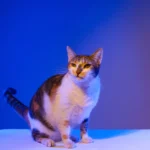
If you’ve ever seen a cat with soft, misty shades of gray, blue, cream, or faint peach swirling across its coat, you may have met a Diluted Tortie Cat. These cats have one of the most fascinating and distinctive color patterns in the feline world. But their beauty is just one part of their charm—dilute torties often come with big personalities, quirky habits, and an affectionate streak that wins people over fast.
As a longtime pet blogger and cat foster volunteer, I’ve cared for several dilute torties over the years. Each one had her own flair, her own emotional vocabulary, and yes—her own version of the famous “tortitude.” In this guide, I’ll break down what a diluted tortie cat truly is, what makes them unique, and how to care for one confidently. You’ll also find a real-life case study that shows just how special these cats can be.
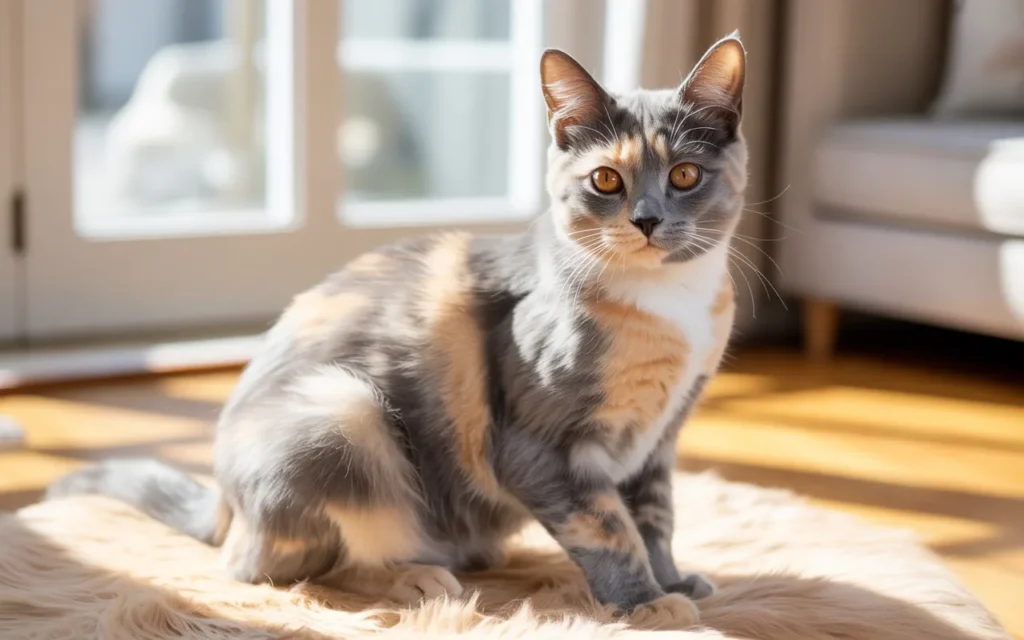
A dilute tortie is not a breed. It’s a color pattern caused by a specific genetic dilution that softens the typical tortoiseshell colors. Traditional torties show bold patches of black, red, and orange. In contrast, dilute torties have:
Blue or gray instead of black
Cream instead of orange
Soft peach or faded gold instead of bright red
This gives the coat a “washed-out” or muted tortie cat appearance—almost watercolor-like.
Why Does This Color Pattern Happen?
It all comes down to genetics. The “dilution gene” reduces pigment intensity, turning standard tortie colors into pastel versions. Since coat color genetics are linked to the X chromosome, almost all dilute torties are female. Males exist, but they’re extremely rare—usually due to a genetic abnormality like XXY chromosomes.
If you’ve wondered how rare is a dilute tortoiseshell cat, the answer is: rarer than classic torties, but not so rare that you won’t find one in shelters or rescues.
How to Identify Dilute Tortie Coat Characteristics
Some cat parents mistake dilute torties for gray tabbies, dilute calicos, or even blue-cream cats. But dilute torties have their own signature look.
Key Appearance Features
No white patches (unlike calicos).
Colors appear blended or softly marbled rather than sharply divided.
Fur may look smoky, clouded, or multitone when seen in sunlight.
Some cats have bright amber eyes that contrast beautifully with their pastel coat.
These features are often easily visible in dilute tortie kitten characteristics, even when they’re only a few weeks old.
Now let’s talk personality, because this is where dilute torties truly shine.
You may have heard of “tortitude,” a playful term used to describe tortoiseshell cats’ spunky, expressive nature. And yes—dilute torties often have their own version of it! Based on my experience, here are common diluted tortie cat personality traits:
1. Affectionate but Independent
They love attention…but on their own terms. Many will seek you out for cuddles, then wander off to perch somewhere high and observe their kingdom.
2. Highly Communicative
Dilute torties are notorious for:
Chirping
Trilling
“Talking back”
Expressive meows
They’re emotionally intelligent and respond to human voices quickly.
3. Playful but Gentle
Compared to classic torties who may be a little more fiery, dilute torties sometimes show a softer temperament—possibly as gentle as their pastel coloring.
4. Attached to Their Favorite Person
Expect them to shadow one family member more than others. They like to bond deeply and loyally.
Real-Life Case Study: Luna, the Soft-Spoken Dilute Tortie
A few years ago, I fostered a 10-month-old dilute tortie named Luna. She came to the shelter shy, underweight, and overwhelmed after being abandoned.
She wasn’t bold or bossy like many classic torties.
Her personality matched her coat—soft, gentle, and quietly affectionate.
She preferred slow blinking over headbutts, and soft chirps over loud meows.
During her first week with me, she hid behind a scratching post. But by the second week, she began curling up at the foot of my bed every night. Her confidence blossomed once she felt safe, and she turned into a loving lap cat who adored feather wand toys and bird-watching.
Luna’s story is the perfect example that dilute torties can be tender-hearted companions with subtle but deeply rewarding personalities.
Caring for a Dilute Tortie Cat
Even though dilute torties aren’t a specific breed, they benefit from a good, consistent care routine.
1. Nutrition
Feed high-quality wet or mixed diets that support:
Lean muscle maintenance
Joint health
Skin and coat support
Cats with pastel coats can sometimes show dryness more easily, so omega-3 fatty acids (fish oils) help maintain shine.
2. Grooming
Dilute torties can have either long or short hair depending on their breed mix. Brush them:
Once weekly for short-haired dilute torties
2–3 times weekly for long-haired torties
Regular grooming reduces shedding and helps keep that soft, blended coat looking beautiful.
3. Health Considerations
Dilute torties are generally healthy, but be mindful of:
Weight management
Urinary health
Dental care
Stress reduction (they can be sensitive!)
Routine vet checkups every 6–12 months help catch issues early.
4. Training & Enrichment
These cats respond well to:
Puzzle toys
Wand play
Food-based enrichment
Vertical climbing spaces
Their intelligence and curiosity make training easier than you might expect.
How Much Does a Dilute Tortie Cat Cost?
Because they’re not a breed, there’s no fixed price. However:
Adoption fees generally range from $50–$150
Breeder kittens (rare and often unintentional) may run $300–$800+
If you’re open to rescue, shelters are the best place to find dilute torties. Many rescues also have waiting lists for tortie enthusiasts.
Where to Find a Dilute Tortoiseshell Cat
1. Animal Shelters & Rescues
Dilute torties commonly appear in shelters around kitten season. Local humane societies and foster organizations often have them.
2. Online Adoption Sites
Platforms such as:
Petfinder
Adopt-A-Pet
Local rescue social pages
These allow you to filter by coat type.
3. Breed-Specific Rescues
If you’re hoping for a certain coat length or body type, breed rescues sometimes get dilute torties through mixed litters.
Final Thoughts: Diluted Tortie Cat
Dilute tortie cats are more than just beautiful—they’re full of soul, charm, and personality. From their soft, watercolor-like coats to their emotionally expressive nature, they make unforgettable companions. With proper care, patience, and enrichment, they thrive and form deep connections with their humans.
If you ever get the chance to bring one into your home, you’ll quickly learn that a dilute tortie isn’t just a pet—they’re an experience.
Learn more about unique feline traits in our detailed guide on the Primordial Pouch Cat.
FAQs
How much is a dilute tortie cat worth?
A Diluted Tortie Cat typically costs $50–$150 to adopt and $300–$800+ from breeders.
What is a dilute tortie cat’s personality?
A Diluted Tortie Cat’s personality is usually affectionate, expressive, and slightly independent with gentle “tortitude.”
Are dilute torties affectionate?
Yes, most diluted tortie cat are affectionate and bond closely with their favorite person.
What is the rarest tortoiseshellcat?
The rarest tortoiseshell cat is the male tortoiseshell, often born sterile due to genetic abnormalities.


 by
by