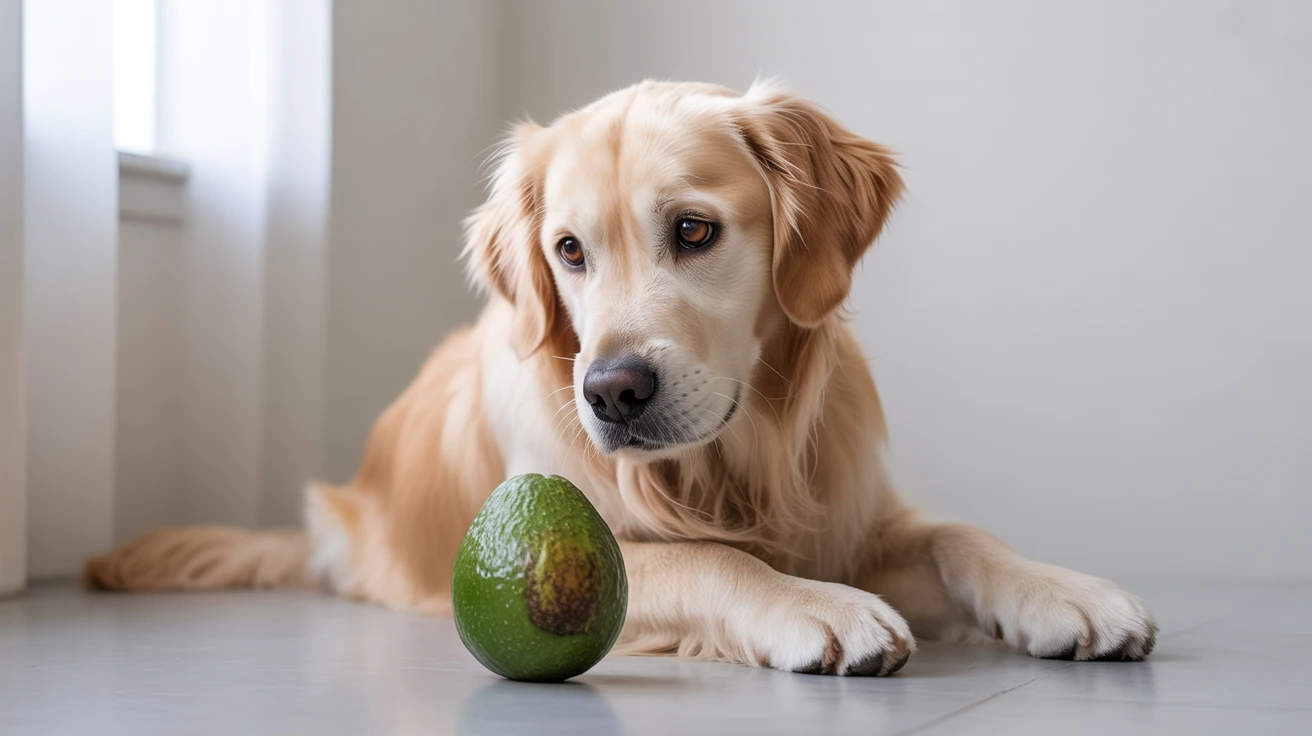
Avocados are a beloved “superfood” for humans—but when it comes to our dogs, things get a little complicated. Many pet parents assume that because avocados are healthy for us, they must be healthy for dogs too. But is that really true? Can dogs eat avocado safely, or is it a fruit better left off your dog’s plate?
This guide breaks down everything you need to know—from potential health benefits to the real risks, what to do if your dog accidentally eats avocado, and vet-backed alternatives that offer the good nutrients without the dangers.
Content
Quick Summary: Can Dogs Eat Avocado?
Small amounts of ripe avocado flesh are unlikely to harm most dogs.
The pit, skin, and leaves contain a substance called persin, which can be harmful.
Avocado is high in fat, which can lead to stomach upset or pancreatitis in sensitive dogs.
It’s safer to choose dog-friendly fruits instead.
Is Any Amount of Avocado Safe for Dogs?
Most vets agree that while a tiny piece of ripe avocado flesh isn’t dangerous for most dogs, it’s still not considered an ideal treat. The biggest problem is that every part of the avocado contains persin, a fungicidal toxin. The flesh contains lower levels, but sensitive dogs—especially small breeds—may still experience issues.
For pet owners wondering, “can dogs eat avocado without getting sick?”—the truthful answer is: they usually won’t get sick from a small bite, but the risks outweigh the benefits.
Is Avocado Oil Safe for Dogs?
Pet parents often ask: “Can dogs eat avocado oil safely?”
Unlike the fruit, avocado oil does not contain persin, making it far safer. However:
It’s very calorie-dense,
Should be given sparingly,
And only to dogs without fat sensitivities.
A drop on food occasionally is fine; it’s not something dogs should consume regularly.
Why Is Avocado Bad for Dogs? Understanding the Top Dangers
Even though avocado contains vitamins, fiber, and healthy fats, the risks make it a questionable choice. Below are the three main concerns every dog owner should understand.
1. The Pit: Choking & Obstruction Risk
The avocado pit is one of the most dangerous parts for dogs. It is:
Hard
Large
Difficult to digest
If swallowed, it can cause a life-threatening intestinal blockage. Many owners don’t even realize how easily a curious dog can snatch a pit from the trash or countertop.
In addition to physical danger, the pit holds higher concentrations of persin, increasing the chances of avocado toxicity in dogs.
2. Persin Toxicity: What Pet Owners Should Know
Persin exists in the skin, leaves, pit, and flesh. While dogs are more resistant to persin than birds or horses, a large amount can still cause:
Vomiting
Diarrhea
Abdominal discomfort
Lethargy
This is why so many pet nutritionists say dogs and avocado safety don’t always go hand in hand.
Some owners ask, “how much avocado is toxic to dogs?” There’s no exact universal dosage—sensitivity varies—but the safest approach is minimal exposure, especially to non-flesh parts.
3. High Fat Content: Risk of Pancreatitis
Avocado’s natural fats are wonderful for humans, but for dogs, too much fat can be harmful. Dogs with:
Pancreatitis history,
Obesity, or
Sensitive stomachs,
may react negatively even to a spoonful.
Fat-rich foods commonly lead to:
Nausea
Loose stools
Abdominal pain
That’s why one of the most searched questions is: “Is it safe to give dogs avocado flesh?” Technically, yes—but only in very small amounts, and only for dogs without digestive issues.
Real-Life Case Study: Milo and the Avocado Incident
To make things clearer, here’s a real-life example from my own experience as a pet content specialist.
Milo, a two-year-old Beagle belonging to my neighbor, is notorious for counter-surfing. One afternoon, he managed to snatch an entire ripe avocado left on the kitchen counter. By the time his owner found him, the flesh was gone—and the pit was missing.
Panicked, they rushed Milo to the vet.
What happened next:
X-rays confirmed the pit was lodged near the start of the small intestine.
Milo had to undergo emergency endoscopic removal to prevent a blockage.
He recovered well but suffered mild vomiting due to the high fat content and possible persin exposure.
The vet later told us that Milo was lucky—another few hours could have led to a full obstruction.
Milo’s story is a perfect reminder: even if your dog loves the taste, avocado isn’t worth the risk.
Can Dogs Eat Avocado? What to Do if Your Dog Eats Avocado
If your dog eats a piece of avocado, here’s what to do:
1. Stay Calm
Most dogs won’t experience severe symptoms from a tiny amount of ripe flesh.
2. Assess What Part Was Eaten
Flesh only: Usually mild irritation at most.
Skin or leaves: Higher risk—monitor closely.
Pit: Treat as an emergency.
3. Call Your Veterinarian
Especially if your dog:
Swallowed the pit
Shows vomiting, diarrhea, or discomfort
Is a small breed
Has a sensitive stomach
Your vet may tell you to watch for symptoms or bring your dog in for an evaluation.
4. Monitor for These Symptoms
Vomiting
Diarrhea
Trouble swallowing
Restlessness
Bloated abdomen
Loss of appetite
If you notice any of these, act quickly—intestinal blockages can escalate fast.
Healthy and Safe Alternatives to Avocado for Dogs
If you want to offer nutrients similar to avocado without the risks, try:
Blueberries
Rich in antioxidants; great low-calorie treat.
Cooked Salmon
Provides healthy fats similar to avocados but safer and more digestible for dogs.
Pumpkin
Gentle on the stomach; excellent fiber source.
Apple Slices (No Seeds)
Low-fat and refreshing.
Dog-Safe Fruits
Bananas, strawberries, and watermelon are great options.
These alternatives give you peace of mind—and give your dog delicious snacks without the dangers associated with avocado.
Final Thoughts: Can Dogs Eat Avocado?
While avocado may offer nutrients such as fiber and healthy fats, the risks associated with persin toxicity, obstruction, and fat content make it an unreliable choice for dogs. With so many safer, nutrient-rich alternatives available, avoiding avocado is simply the better—and safer—option.
Curious about feline nutrition too? Check out our guide on What Can Cats Eat? to keep your kitty healthy and safe.
FAQs About Can Dogs Eat Avocado?
Are avocados safe for dogs?
Avocados are generally unsafe for dogs because they contain persin, which may cause stomach upset.
How much avocado can I give my dog?
It’s best to avoid giving avocado to dogs. Even small amounts can cause digestive issues.
What foods are toxic to dogs?
Chocolate, grapes, raisins, onions, garlic, xylitol, alcohol, and certain nuts are toxic to dogs.
What is the healthiest fruit for dogs?
Blueberries, apples (without seeds), bananas, and watermelon are among the healthiest fruits for dogs.

 by
by