The Bernese Mountain Dog is a large, affectionate breed known for its calm nature and strong bond with families. With its striking tri-color coat and gentle personality, this dog often attracts first-time owners and experienced pet parents alike. But beyond its appearance, many people wonder: Is a Bernese Mountain Dog a good family dog?
In this detailed guide, you’ll learn everything about the breed, including the Bernese Mountain personality, care requirements, grooming needs, and potential health concerns. This will help you decide if this dog is the right fit for your lifestyle.
Content
Bernese Mountain Dog Overview
The Bernese Mountain Dog breed is classified as a large working dog originally developed in Switzerland. These dogs were used for farm work, including pulling carts and herding livestock.
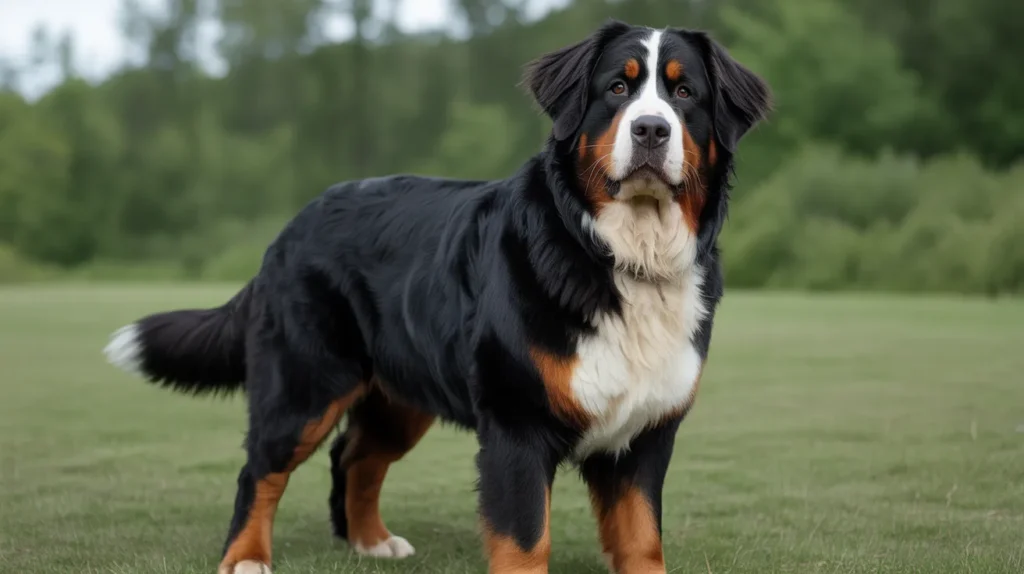
The Bernese Mountain size is impressive, with males weighing between 80 to 115 pounds and females slightly smaller. If you are wondering how big does a Bernese Mountain Dog get, they can grow up to 27 inches tall, making them one of the larger family-friendly breeds.
Despite their size, they are known for being calm and manageable indoors when properly trained.
Size, Growth, and Physical Traits
The Bernese Mountain Dog weight and overall build reflect its working-dog heritage. They are strong, muscular, and built for endurance rather than speed.
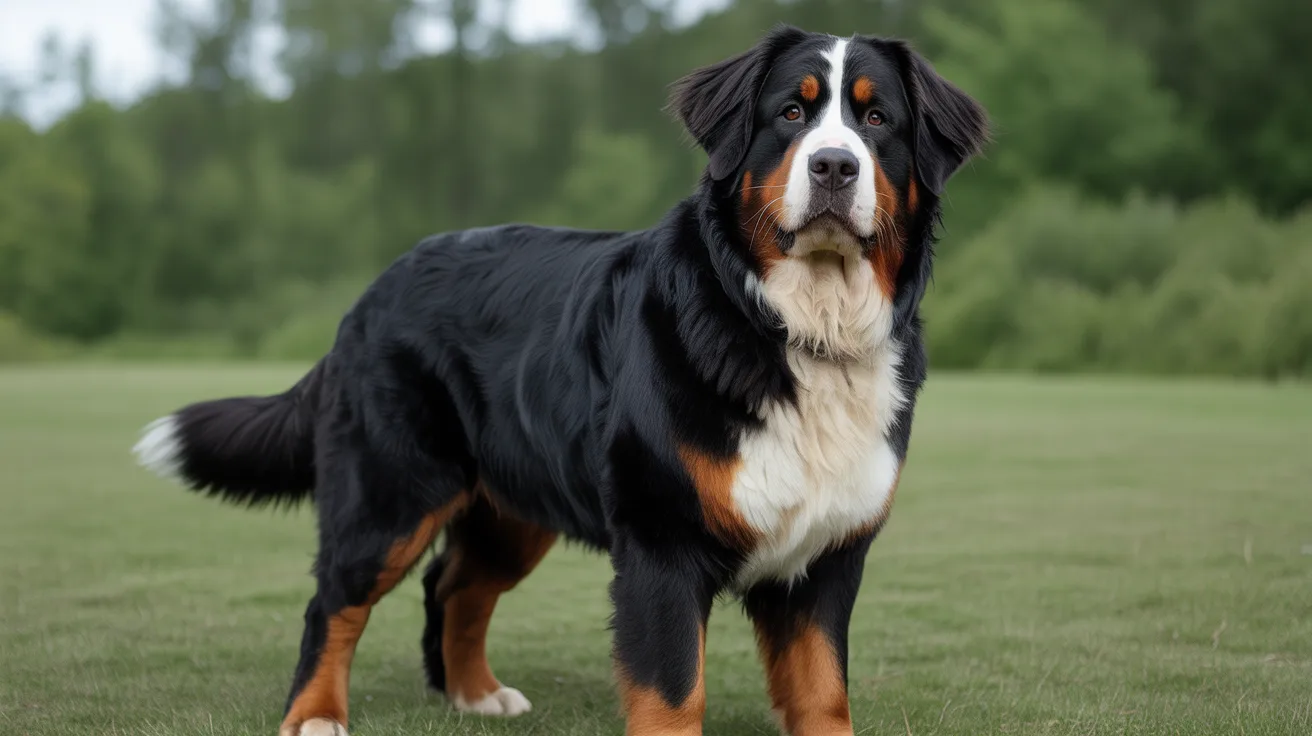
Their coat is one of their most distinctive features. The Bernese Mountain coat is thick, long, and double-layered, which helps them withstand cold climates. The most common Bernese Mountain colors include black, white, and rust markings in a symmetrical pattern.
Because of this dense coat, they are better suited for cooler environments and may struggle in hot weather conditions.
Bernese Mountain Dog Personality and Temperament
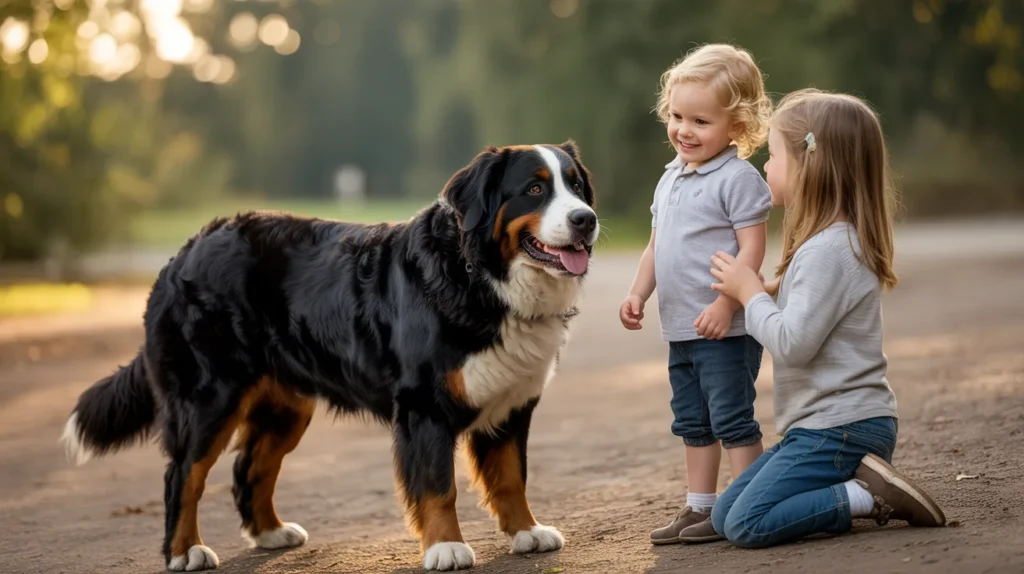
The Bernese Mountain Dog temperament is one of the key reasons why this breed is so popular. These dogs are naturally gentle, loyal, and affectionate. They form strong bonds with their families and are particularly good with children.
So, is a Bernese Mountain a good family dog? The answer is yes. Their patience and calm demeanor make them ideal companions for families with kids.
The Bernese Mountain personality also includes a sensitive and intelligent nature. They respond well to positive reinforcement and enjoy being involved in family activities. However, they do not like being left alone for long periods, which can lead to anxiety or destructive behavior.
Grooming and Shedding
One of the most frequently asked questions is: Do Bernese Mountain Dogs shed a lot? The answer is yes. This breed is known for consistent shedding throughout the year, with heavier shedding during seasonal changes.
Proper Bernese Mountain grooming is essential to maintain coat health and reduce loose hair. Regular brushing several times a week helps prevent matting and keeps the coat clean. Bathing should be done occasionally, depending on the dog’s activity level.
Routine grooming should also include nail trimming, ear cleaning, and dental care. Consistent grooming not only improves appearance but also supports overall health.
Understanding diet is an important part of learning how to take care of a Bernese Mountain. These dogs require a balanced diet rich in protein, healthy fats, and essential nutrients.
Portion control is important because this breed can gain weight easily. The Bernese Mountain weight should be monitored regularly to prevent obesity, which can lead to joint issues and other health problems.
High-quality dog food tailored to the dog’s age—puppy, adult, or senior—is recommended for optimal health.
Exercise and Activity Needs
Although they are not extremely high-energy dogs, Bernese Mountain Dogs still require daily physical activity. Moderate exercise such as walking, light play, and mental stimulation helps keep them healthy and happy.
Because of their thick coat, they prefer cooler temperatures and should not be overexerted in hot weather. Regular activity also helps manage Bernese Mountain health issues related to weight and joint stress.
Training and Behavior
Many owners ask: Are Bernese Mountain Dogs easy to train? In general, yes. They are intelligent and eager to please, which makes training easier compared to more independent breeds.
However, consistency is key. Early socialization and training are important to shape good behavior. Positive reinforcement techniques work best with this breed, as they respond poorly to harsh training methods.
Their gentle nature makes them well-suited for family environments, but they still require structure and guidance.
Bernese Mountain Dog Health Issues and Lifespan
The Bernese Mountain Dog lifespan is relatively short compared to other breeds, typically ranging from 7 to 10 years. This is an important factor to consider before choosing this breed.
Common Bernese Mountain Dog health issues include hip dysplasia, elbow dysplasia, certain types of cancer, and bloat. These conditions can impact the dog’s quality of life if not managed properly.
If you are researching Bernese Mountain lifespan and health problems, it is essential to work with a reputable breeder and maintain regular veterinary checkups. Preventative care and a healthy lifestyle can make a significant difference.
Cost and Ownership Considerations
The Bernese Mountain Dog price can vary depending on the breeder, location, and pedigree. In addition to the initial purchase cost, ongoing expenses such as food, grooming, and veterinary care should be considered.
Potential owners should also think about time commitment. This breed thrives on companionship and requires attention, grooming, and regular exercise. Understanding the pros and cons of Bernese Mountain ownership helps ensure a better long-term experience.
Real-Life Case Study
A family I worked with adopted a Bernese Mountain Dog named Max. At first, they were unsure about managing such a large breed, especially with young children at home.
Over time, Max proved to be extremely gentle and patient. He formed a strong bond with the kids and became a central part of the family. The owners did face challenges with Bernese Mountain Dog shedding and grooming, but regular brushing helped manage it effectively.
Training required consistency, but Max responded well to positive reinforcement. The biggest concern for the family was monitoring his health and managing potential Bernese Mountain Dog health issues. Despite these challenges, they found the companionship and loyalty of the breed incredibly rewarding.
Final Thoughts
The Bernese Mountain Dog is a loyal and affectionate companion that thrives in a loving home. While they require regular grooming and have a shorter lifespan compared to some breeds, their gentle temperament and strong family bond make them a popular choice.
If you are prepared for the responsibility and understand how to take care of a Bernese Mountain Dog, this breed can bring years of companionship and joy into your life.
If you’re interested in exploring other unique breeds, check out our complete guide on the Chinese Crested Dog and its care, personality, and grooming tips.
FAQs
Is a Bernese Mountain Dog a good house dog?
Yes, the Bernese Mountain can be a great house dog if given enough space and daily exercise. Their calm nature makes them suitable for indoor living, but they do best in homes with yards.
What dog is known as the heartbreak breed?
The Bernese Mountain is often called the “heartbreak breed” due to its shorter lifespan and higher risk of serious health issues, especially certain cancers.
Are Bernese Mountain dogs good with cats?
Yes, Bernese Mountain are generally good with cats if socialized early. Their gentle temperament helps them coexist peacefully with other pets.
Are Bernese dogs high maintenance?
Yes, Bernese Mountain Dogs are considered high maintenance due to regular grooming needs, shedding, and potential health care requirements.

 by
by