 by
by Eye problems are common in dogs, and one of the most frequent concerns pet owners face is an eye infection. While some cases are mild, others require veterinary attention to avoid complications or vision loss. Knowing how to recognize the signs, what causes them, and the best treatment options can help you protect your dog’s health.
Content
What Is a Dog Eye Infection?
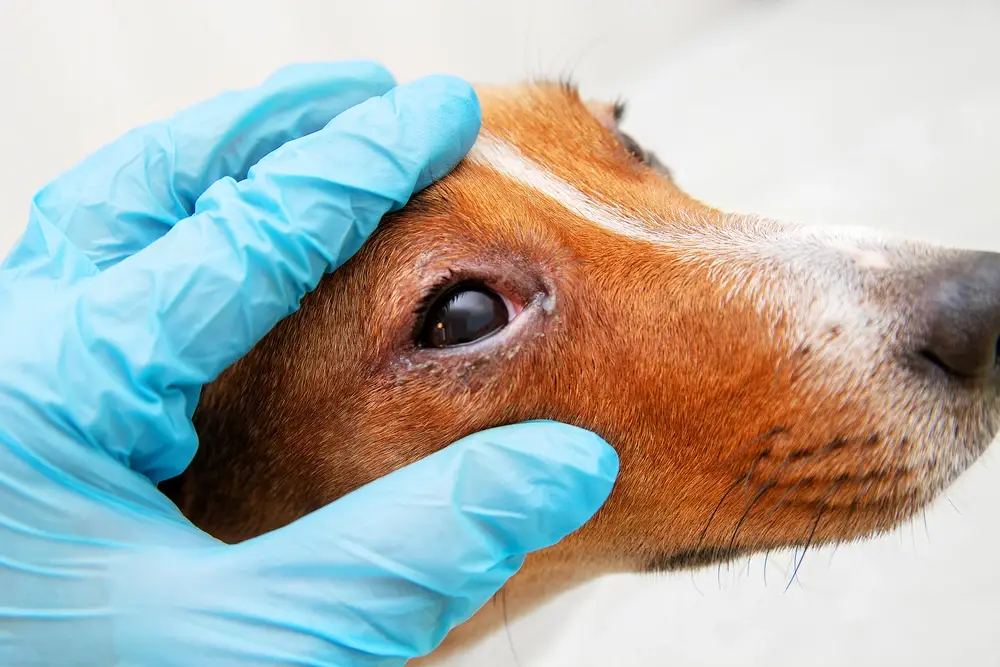
A dog eye infection develops when bacteria, viruses, or irritants affect the tissues around or inside the eye. The problem may involve the eyelids, conjunctiva, cornea, or tear ducts. Infections often cause redness, swelling, and discharge, and if untreated, they can lead to more serious issues such as corneal ulcers or vision loss.
Symptoms of Eye Infections in Dogs
Early detection makes treatment easier. Watch for these common signs:
- Redness or swelling around the eye
- Watery, yellow, or green discharge
- Squinting or keeping the eye closed
- Frequent blinking or pawing at the face
- Sensitivity to light
- A cloudy or hazy appearance in the eye
If your dog shows these symptoms, it’s best to monitor closely and consult a vet if the problem persists.
Types of Dog Eye Infections
There are several forms of eye infections in dogs, including:
- Conjunctivitis (Pink Eye): Inflammation of the tissue around the eye, often causing redness and discharge.
- Keratitis: Involves the cornea and may result in ulcers or scarring.
- Blepharitis: Inflammation of the eyelids that leads to swelling and irritation.
- Uveitis: A painful condition affecting deeper structures inside the eye.
Each type may look similar at first glance, but the treatment approach can vary significantly.
Causes of Eye Infections
Several factors can lead to an infection, such as:
- Bacterial or viral exposure
- Allergic reactions to pollen, dust, or food
- Eye injuries or scratches
- Debris like dirt, seeds, or grass entering the eye
- Blocked tear ducts
- Underlying health conditions that lower immunity
Because the causes vary, accurate diagnosis is important before starting treatment.
Which Dogs Are Most at Risk?
Any dog can develop an eye infection, but certain breeds and lifestyles carry higher risks. Dogs with flat faces, such as Pugs and Bulldogs, are more vulnerable due to their prominent eyes. Outdoor dogs that play in grassy or dusty areas are also more likely to develop eye problems. Older dogs and those with weakened immune systems may take longer to recover.
Veterinary Diagnosis
When you bring your dog to the vet, they may:
- Examine the eye with light and magnification
- Look for scratches or foreign bodies
- Use dye to detect corneal ulcers
- Recommend lab tests if bacteria or viruses are suspected
This process ensures your dog receives the right treatment instead of a one-size-fits-all approach.
Treatment for Dog Eye Infections
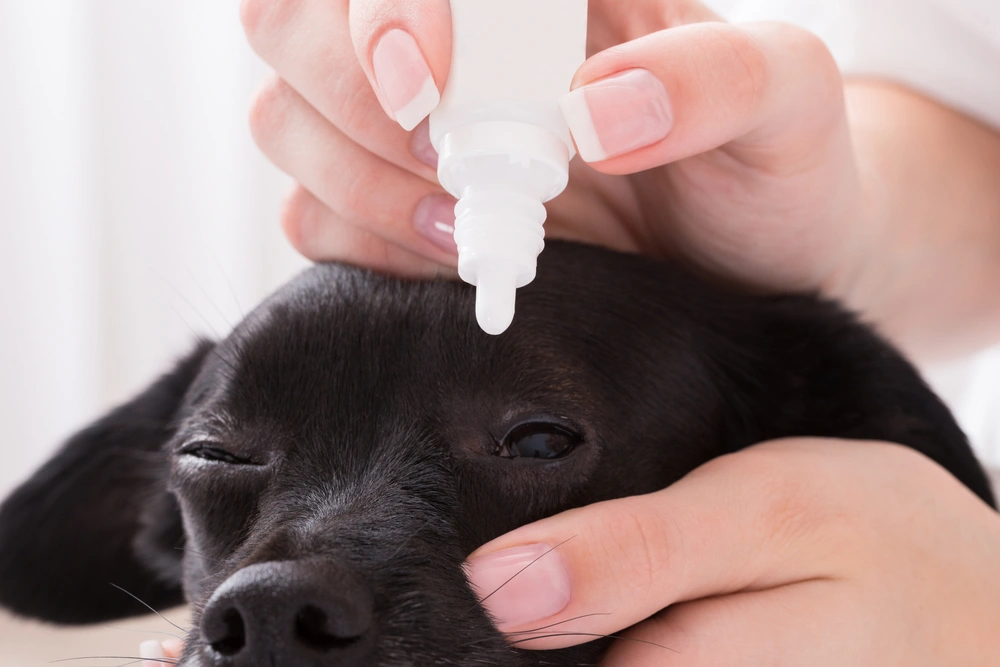
Treatment depends on the underlying cause. Common veterinary approaches include:
- Prescription eye drops or ointments to target bacterial or fungal infections
- Anti-inflammatory medications to relieve pain and swelling
- Removal of irritants like grass seeds or other debris
- Management of allergies if they are contributing to recurring issues
Most dogs begin to improve within a few days once treatment starts, though full recovery can take one to two weeks.
Can Home Remedies Help?
In some mild cases, supportive care at home may provide relief. Safe approaches include:
- Gently cleaning away discharge with a warm, damp cloth
- Flushing the eye with sterile saline solution
- Keeping your dog’s environment free from dust and smoke
These steps may ease discomfort but should never replace veterinary care. If symptoms worsen or fail to improve within 24–48 hours, a professional exam is necessary.
Treating an Eye Infection Without a Vet
Some pet owners search for ways to handle the issue on their own. While cleaning and rinsing with saline can help manage irritation, true infections usually require prescription medication. If you can’t see a vet immediately, keep the eye clean, prevent rubbing with an Elizabethan collar, and avoid human eye drops unless a vet has approved them.
When to Seek Emergency Care
Not every eye infection is an emergency, but certain symptoms require urgent attention:
- Severe pain or sudden swelling
- A cloudy or bluish eye surface
- Signs of vision loss, such as bumping into objects
- Thick, green or yellow discharge
Quick treatment in these cases can prevent permanent damage.
Preventing Eye Infections in Dogs
While it’s impossible to prevent every infection, you can lower the risk by:
- Keeping fur trimmed around the eyes
- Cleaning your dog’s face regularly to remove dirt and debris
- Limiting exposure to dusty or smoky environments
- Using protective eyewear in windy conditions or on outdoor adventures
- Scheduling regular vet check-ups for early detection
Conclusion
A dog eye infection can range from minor irritation to a serious health concern. Recognizing the early symptoms and understanding common causes helps you act quickly. While mild cases may benefit from gentle cleaning and supportive care, most infections require veterinary treatment, often in the form of prescription eye drops or ointments. When in doubt, it’s always best to consult a vet to safeguard your dog’s vision and comfort.
If you’re curious about safe fruits for pets, check out our guide on Can Dogs Eat Strawberries? to learn the benefits and risks.
FAQs
How do you treat a dog’s eye infection at home?
You can gently clean the eye with a warm cloth and flush with sterile saline, but most infections still need vet-prescribed drops or ointments.
Can a dog’s eye infection heal on its own?
Mild irritation may improve with cleaning, but true infections rarely heal without treatment and can worsen if left untreated.
When to see a vet for dog eye infection?
See a vet if your dog’s eye is red, swollen, producing thick discharge, or if symptoms don’t improve within 24–48 hours.
What does a dog’s eye look like when it’s infected?
Infected eyes often appear red, watery, swollen, and may have yellow or green discharge with squinting or cloudiness.

Ruth is all about pet style. She’ll help you and your furry friend turn heads with the latest trends in pet fashion.